Who To Call for Help? You Don’t Know?! – Captive Transit User Series Part 17

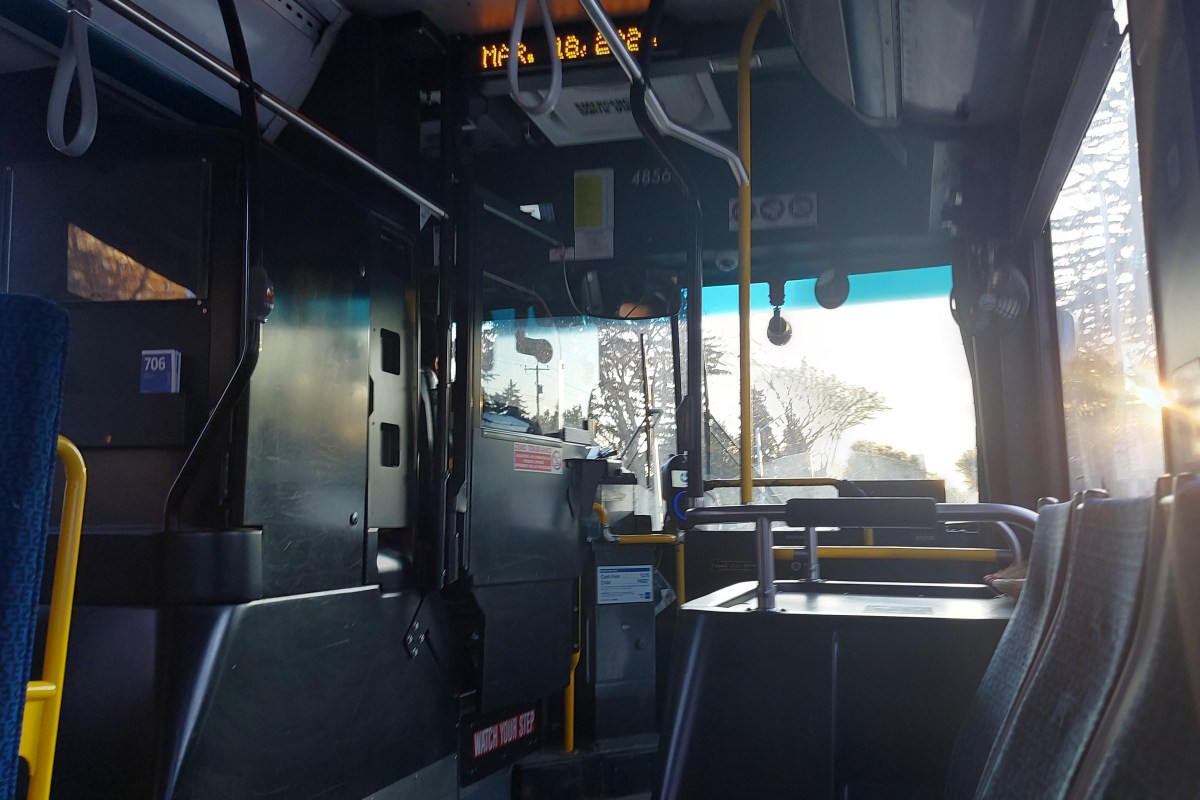
The inside of the regular sized Edmonton transit bus. The front area near the driver's compartment has no information or printed signage about the Transit Watch contact line.

By: Giselle General

This is part of an ongoing series of posts discussion issues I personally encounter while taking public transit in Edmonton. Links to other posts will be added on an ongoing basis:

What is a Captive Transit User? I learned about the term for the first time from the City of Edmonton’s website. The easy definition is: someone who takes public transit because it’s the best (or only available) option for them to travel around. The part about feeling ‘captive’ comes from the restriction that sometimes comes up, perhaps because one is too poor to own and maintain a vehicle, one does not know how to drive, or for medical reasons, cannot operate a vehicle. In many ways, I relate to this a lot. Though I’m pretty fortunate to afford the occasional taxi ride, and with my husband having a car.


In my first few years in Canada, I had to learn how to keep track of all the different phone numbers, watch lines and apps for reporting different issues. In fact, because I knew that this can be confusing for other people, I’ve written a resource articles on this subject a few times for multicultural media outlets in the city. It can be hard to tell right away what constitutes an emergency. When someone is in the middle of an unsafe situation, regardless of whether someone’s bleeding or not, everything seems urgent.

Frankly this is why I have major concerns that the information to ask for help when taking transit can be hand to find. If my personal feedback can be summarized in one word, that would be consistency.

Consistency on where the information can be found, both on the buses and LRT vehicles, would be handy. When I used to take the LRT more frequently, I eventually trained my eyes on where the emergency buttons and alarm strings to ask for help are located. I’m too short to reach the alarm strings – but that’s a different subject altogether. Also, on a 25- minute trip which is typical for my travels, there had been the rare occasion when the same automated robot voice that announce the next LRT stop would also talk about Transit Watch, the phone number where people can call or text if they feel unsafe.

But unfortunately, for those who take the buses, this information is definitely hard to find. On top of the fact that Transit Watch is actual full 10-digit phone number instead of the 3-digit ones like 911 or 311, so it’s not something that people will instinctively remember and dial. I mean, even I don’t know the full number in my mind, but I had saved it as a contact on my phone. In my experience, upon entering a bus, 75% of the time I don’t see any posters about Transit Watch at all. When it does, the posters are in different parts of the overhead compartment for the posters.

In my typical 30- 45 minute bus trip, I don’t hear a single robot-voice announcement about Transit Watch as well. Back in 2023, Edmonton Transit Service had a marketing campaign encouraging people to take one of six potential actions when they see harassment while taking public transit. These posters were in many of the buses but not as much these days. Although I was relived to see it a dozen times so far this year.

Inside an Edmonton transit bus, with a poster about Transit Watch 780-442-4900.

In transit stations, not all of them have a PA system to blast audio announcements. In the places that do, one of which is the South Campus LRT station, I have heard a few robot-voice announcements for different topics, including bus delays, scheduling changes, and even encouraging participation on Stuff A Bus. I have heard a handful of times about Transit Watch. But how about other locations? Sure, it is a temporary station, but I think it’s important to have more visible signs and reminders at West Edmonton Mall transit station for example. It truly would be nice to have a consistent approach in every transit station.

I have taken bus trips with the smaller community buses as well, and I don’t recall seeing a poster about Transit Watch. It’s been a few months since I have taken an On-Demand buses which are much smaller, and I know there’s no space there for paid advertisement or even a small bulletin board. Perhaps a decal or sticker somewhere prominent can be strategically placed somewhere. Or maybe even a QR code that’s quite popular these days.

The inside of the smaller-sized Edmonton Transit bus, the shuttle bus along Jasper Place Transit Centre. There is no poster for the Transit Watch number because there's no good space to put one.

Consistency builds trust. I think if there’s more consistency in communicating that 1 – harassment is not okay , 2 – reporting unsafe situations when taking transit is truly worth the effort, 3 – the contact number is repeated often enough while people are taking transit that they might eventually memorize it, and 4 – that the person who reported can see the resolution, perhaps people could be more understanding about unpleasant situations about taking transit. I agree with what the City officials had said that majority of public transit trips happen successfully, on time and no issues. But for the times when it does, people need to trust the system for reporting and the response to it. This starts with knowing when and how to report.

The Transit Advocacy Group Is Here! The Captive Transit User Series Part 16

By: Giselle General

This is part of an ongoing series of posts discussion issues I personally encounter while taking public transit in Edmonton. Links to other posts will be added on an ongoing basis:

What is a Captive Transit User? I learned about the term for the first time from the City of Edmonton’s website. The easy definition is: someone who takes public transit because it’s the best (or only available) option for them to travel around. The part about feeling ‘captive’ comes from the restriction that sometimes comes up, perhaps because one is too poor to own and maintain a vehicle, one does not know how to drive, or for medical reasons, cannot operate a vehicle. In many ways, I relate to this a lot. Though I’m pretty fortunate to afford the occasional taxi ride, and with my husband having a car.


The name Edmonton Transit Riders (ETR) sounded very much like the city group where I volunteered for six years, the Edmonton Transit Service Advisory Board (ETSAB). But they are different and once I heard about ETR, I’m very happy that they exist.

Over many years I have observed different ways that people use their voice to advocate for improvements in our public transit system. There are people like me that use our personal social media platform sharing our own individual experiences and opinions. There are people who create anonymized accounts with a group name to build an impression it is part of a collective of thoughts who care about a common goal. There are people who join established organizations or groups to share their time, energy and insights in a formalized way within the city government’s system – I’m talking about ETSAB here. And there’s ETR, the external organization who wanted to combine the power of being a formalized group willing to mobilize in a wide range of ways to make public transit better.

A selfie of Giselle and Danielle Witte, board chair of ETR, in front of the under-construction Meadowlark LRT Station.

Sometime in the fall, Danielle Witte, the board Chair of ETR contacted me for a meeting to learn more about what I mentioned above, how current groups have been giving feedback to improve public transit. I offered a unique kind of meeting – a walking meeting where we discussed his questions and I gave him a tour of the West Edmonton LRT construction sites from future West Edmonton Mall to the future Meadowlark Station. I told him how excited I was for the group, and that ETR, ETSAB and the actual public transit city employees for ETS have a lot of positive opportunities to work with each other.

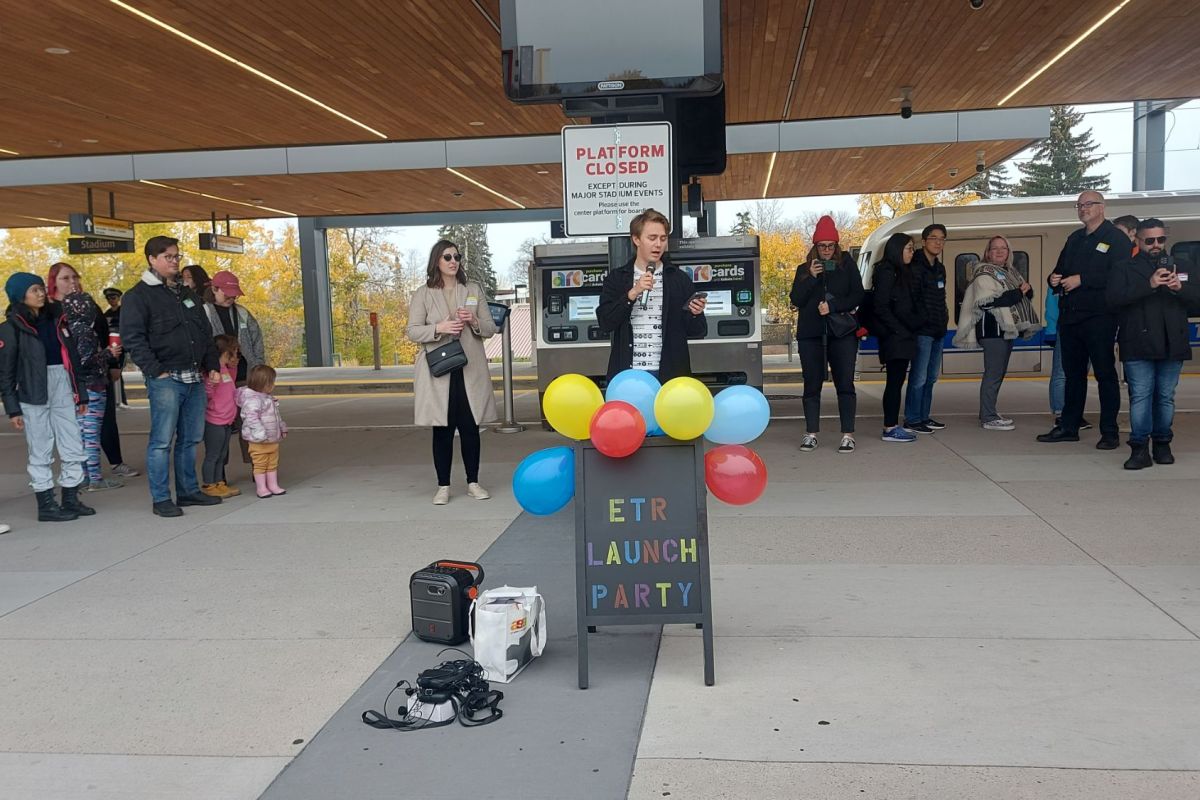
On October 20, the group hosted a official launch party which included an announcement with speeches, and then a private tour of the Blatchford LRT station that is not yet open to the public where the attendees can connect and chat with each other. It was nice to see the current board chair of ETSAB, actual representatives from ETS, city politicians, and other people enthusiastic about transit.

Giselle taking a selfie in front of the Edmonton LRT Blatchford station, during a private tour as part of the Edmonton Transit Riders launch.

Interestingly enough, I remembered a discussion about the Blatchford station during an ETSAB meeting, and see the station still not being used was a reminder that our recommendations to city staff sometimes get implemented. It does make an impact.

In some ways, the word hype feels superficial, but with what ETR is doing, I think building hype about public transit is not only just a good thing, it is an excellent thing that is very much needed. There’s a lingering disdain from everyday people about public transit, combined with an undercurrent of classism and car culture. I’ve said countless times, people complain about hiccups on public transit too quickly and harshly but if those experiences are tied to their driving experience, people are more forgiving.

When I was chatting with the ETR volunteers and board of directors, I was amazed that they were planning to go to Ottawa for a conference about transit. There’s a lot of flexibility they have that made me wish I had something similar when I was with ETSAB. Then again, ETSAB is a part of the city and funded by taxpayer money, so I understand the limitations that where in place. It is nice though that ETSAB board members get a chance to attend the Canadian Urban Transit Association fall conference every year.

Front view of the Blatchford LRT station. Crowds of people are by the platforms observing the space.

One thing I really appreciate is that both organizations seem to have a relationship with the staff of the city’s transit system. Everyone seem to have a well-known common ground of sharing the desire to actually make public transit better.

In future years I eagerly look forward to seeing more of what ETR does. I subscribed to their e-newsletter and social media accounts and they are a lot more public with their advocacy which is fantastic. They had several media interviews, organized an automated e-petition to speak about the low-income transit programs, and had plans to advocate to the provincial and federal orders of government. It’s quite remarkable. Once the actual transit department launches their merchandise line I bet that the ETR supporters would be the first in line to buy or market these items ala influencer style – yes that includes me.

Looking back at the LRT launch for the Valley Line East last November 2023, it is nice to join along a group of fellow transit nerds. If I am lucky enough to be the next city councillor of my area of the city on the west end, I’ll be thrilled to organize the official launch or tour of the LRT along with them! The warm drinks, train-themed cake and ceremonial scissors would be on me – unless someone beats me to it which is very possible!

Being the Human Transit Navigator: The Captive Transit User Series Part 15

By: Giselle General

This is part of an ongoing series of posts discussion issues I personally encounter while taking public transit in Edmonton. Links to other posts will be added on an ongoing basis:

What is a Captive Transit User? I learned about the term for the first time from the City of Edmonton’s website. The easy definition is: someone who takes public transit because it’s the best (or only available) option for them to travel around. The part about feeling ‘captive’ comes from the restriction that sometimes comes up, perhaps because one is too poor to own and maintain a vehicle, one does not know how to drive, or for medical reasons, cannot operate a vehicle. In many ways, I relate to this a lot. Though I’m pretty fortunate to afford the occasional taxi ride, and with my husband having a car.


People unfamiliar with a transit system, whether it is because they are new to an city, a neighbourhood, or just so happened to not use transit for a specific event, benefit from the help of a fellow human who seemed to know their way around. A few times this summer, it was nice to be that fellow human, even as a stranger, to be that source of help and companionship to someone. Here’s a few stories when I by myself, or with my husband, did this to people in the city.

Edmonton Folk Festival

This summer was the first time that my husband and I went to Edmonton Folk Festival. Because we had little time between having dinner at the bar near his work by the Manchester Square, we took an rideshare to the festival location. But we decided to take the relatively-recently-opened Valley Line LRT to her back.

While walking through the green space to get to the station, someone called out to us. They seemed confused and asked where the LRT station is. My husband and I pointed to the direction that we are headed. In the spot where we were standing, it seemed easy to miss the LRT station, as the glass pyramids of the Muttart Conservatory is right close by. The people seemed relived to know that the LRT station was indeed close by, which is a great reason why the festival organizers heavily promoted transit as a way to get to and from the festival.

This is the first year that the festival is going on with the LRT access. I bet that in future years, it would be a no-brainer for most people to get to the festival through transit, either to get to the bottom or top of the hill.

New worker going to downtown

On a Thursday morning in August, I was waiting to get on my usual bus to get to downtown. A man was talking passionately over the phone, in a language I cannot understand. He hung up, browsed his phone for a few minutes and then he approached me, speaking in limited English. Asked which buses go to downtown by 109 Street, and whether the bus is arriving since it’s been late for 5 minutes. I can imagine how a late bus for a route you’ve never used before would make anyone anxious. So I told him “yes that’s the number 2, it will come soon, and we can take it together!”

The bus arrived and we hop on together. He was restlessly looking at the window to check where we are going. I placed the address of his destination on my Google maps app, and showed him the blue moving dot that symbolizes the bus. We were sitting close to the front, so I also point to him the digital screen that was showing the intersection of the upcoming bus stops. I told him, “once we are close to downtown, the screen and the audio annoucement will say.. 121 Street – Jasper Avenue, 116 Street – Jasper Avenue, 112 Street – Jasper Avenue… and then that’s when you pull the stop alert and get off. Then when you get off, you just need to walk 2 blocks that way, and you’ll be in your destination!” I finished my instructions while pointing towards the south.

He shared to me that it was his first day at his job. He shyly told me that his English is “not very good” but he will be starting classed at Norquest college very soon. I said that Norquest is very close to where he was getting off for work, so he can take the same bus and just wait for a few stops further into downtown. I shared that I am an immigrant too, only that I’ve been here for 17 years. He sounded amazed upon hearing that.

As his stop approached, I got him to pull the string for the stop request. As he left the bus, I said good bye and waved at him through the glass, while making sure I press the button again as I was getting off at the next stop. I sent a silent prayer, wishing him a good day at work as I headed out to start mine.

Lady navigating west end construction zone

One morning, I was on the bus heading to work and after a few stops, a woman wearing business clothes came in. There were several vacant seats at the front, but she didn’t sit right away. Clutching her phone tightly, she talked to the driver asking if the bus would be passing by 139 Street and 102 Avenue. He said yes, and continued to drive. She continued standing at the front craning her neck, seemingly wanting to have the same line of sight as the driver.

Only a few stops later, she asked the driver again how close we are getting to her destination. We were still on 87 Avenue, about 15 minutes away. I do know though that she is getting off on a very busy construction zone and might miss where the bus stop is.

I waited for catch her eye, I smiled and said, yes the bus is heading that way. I pointed at the digital sign above her head and said “as you can see, and you will hear, the upcoming bus stops will show on the sign. So you will hear when the next step is 139 Street and 102 Avenue and press the button then.” As we waited along the very congested 142 Street, the bus finally got a chance to turn on 102 Avenue. The bus arrived at the intersections and the got off one of the temporary-looking bus stops.

Honestly, I’m quite relived that smartphones are around. It helps communicating bus routes and travel times better. One can argue that if someone has a phone and data, people can just look at the directions and go where they need to go. But I think that the additional element of human help can provide that extra level of reassurance. Many times, I’ve seen passengers come up to the bus, show their phone to the driver and confirm, and happily enter the bus once they get the okay from the driver. But in a pinch, whether in a random location around the city, a busy transit station, or a bus stop, I enjoy pitching in when needed. It’s a fleeting moment of kindness, lasting a few minutes at most, but can help with those unfamiliar with our transit system get the hang of it.

The Construction Neighbours: The Captive Transit User Series Part 14

By: Giselle General

This is part of an ongoing series of posts discussion issues I personally encounter while taking public transit in Edmonton. Links to other posts will be added on an ongoing basis:

What is a Captive Transit User? I learned about the term for the first time from the City of Edmonton’s website. The easy definition is: someone who takes public transit because it’s the best (or only available) option for them to travel around. The part about feeling ‘captive’ comes from the restriction that sometimes comes up, perhaps because one is too poor to own and maintain a vehicle, one does not know how to drive, or for medical reasons, cannot operate a vehicle. In many ways, I relate to this a lot. Though I’m pretty fortunate to afford the occasional taxi ride, and with my husband having a car.


When people choose a place to live, they consider many important things in choosing the neigbhourhood. We knew when we picked the neighbourhood we live in now that since the LRT will literally pass through the main road nearby, that we will be inundated with the impacts of the construction for many years until the line officially opens. But what is something that many residents complain about, became something that piqued my curiosity over the years.

I’m basically like a “Marites”, the nosy neighbour looking into the latest “tea” of what is happening next door, but for an LRT construction. This transit nerd is delighted with integrating such a Filipino reference, hehe. Every time I leave my home to commute to work, it’s neat to see the changes.

Between my husband and me, our no-cost-but-super-fun date idea has been to go for a half-hour work along the construction site, observe the different holes and poles, the cranes and trucks, the cement and the metal pieces, and the people around the site. I bet my husband is truly enjoying being married to a transit nerd – no need to go far or spend a lot of money for romantic quality time, haha!

As the cliche goes, a photo says a thousand words. So here is a photo dump of the photos of the LRT construction progress because because it’s fun and nerdy

The construction zone for the West Edmonton LRT along 87 Ave.  It is winder and there's block of ice and snow along the road and construction site.
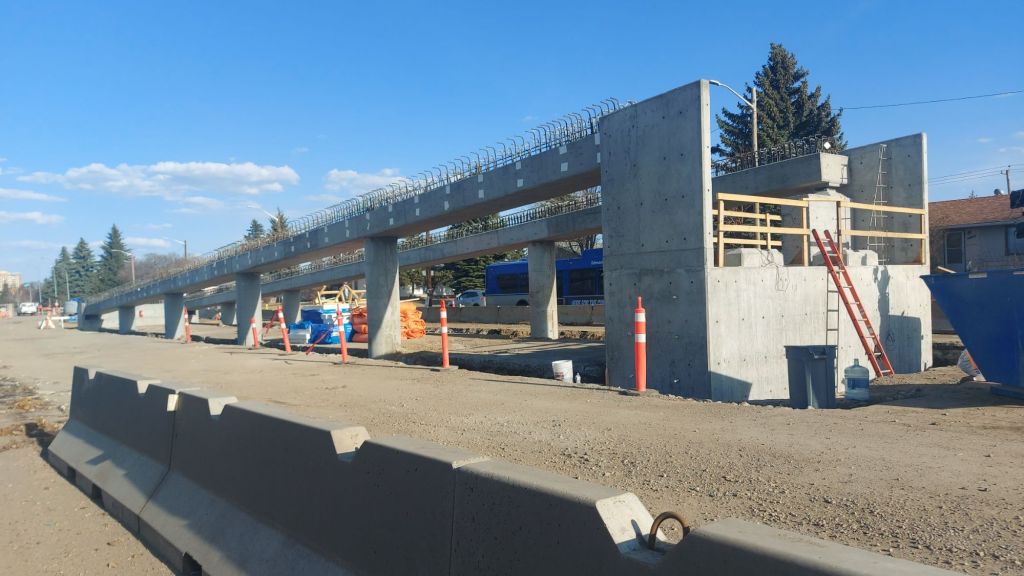
The construction zone for the West Edmonton LRT along 87 Ave. The two traffic lanes are backed up, and four pillars are almost finished construction.
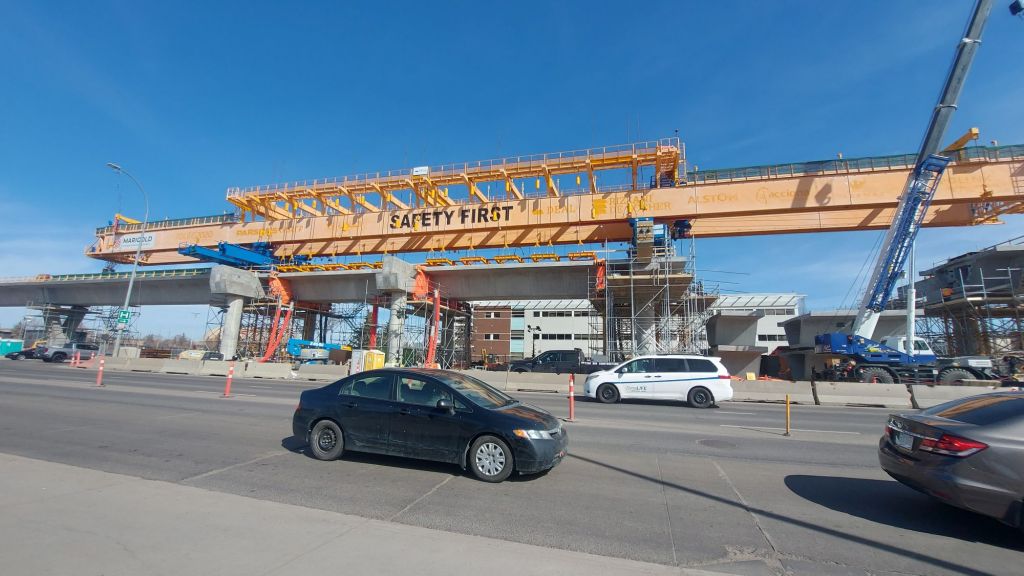
The construction zone for the West Edmonton LRT along 87 Ave. The specialized above-ground crane is lifting platforms for the above-ground Misericordia station.
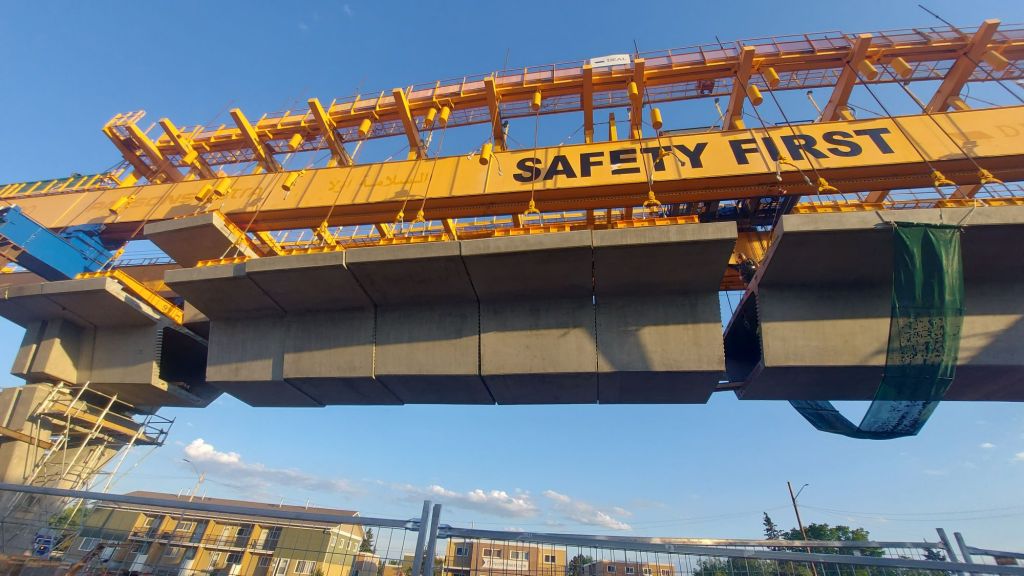
The construction zone for the West Edmonton LRT along 87 Ave.  The view is from underneath the specialize crane. 6 platforms were lifted and still have gaps in between each other.
The construction zone for the West Edmonton LRT along 87 Ave. The ramp to take the tracks to street level is partially done, with lots of metal rebar sticking out.
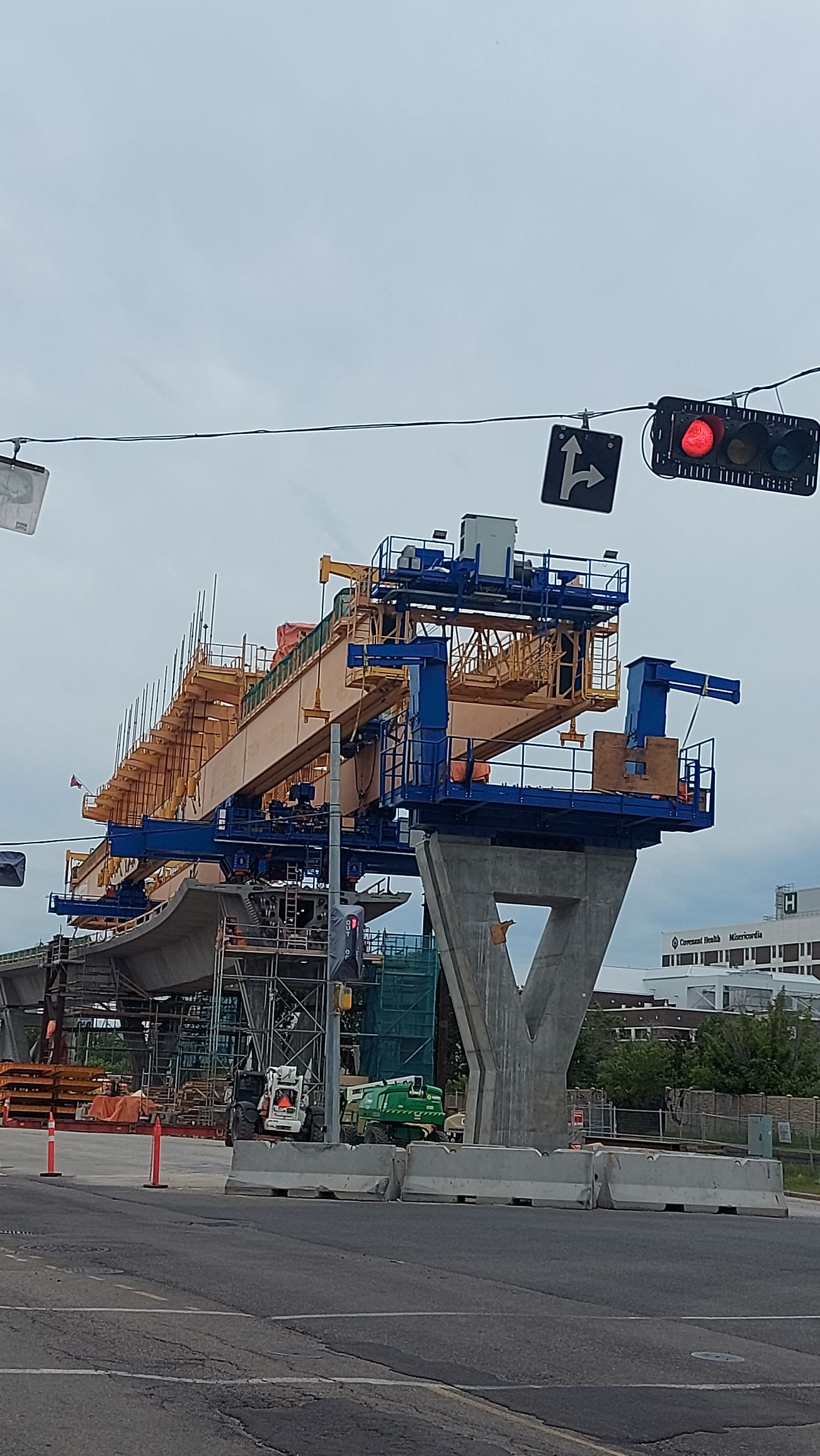
The construction zone for the West Edmonton LRT along 87 Ave. The specialized crane is approaching the traffic light on 165 Street.
The construction zone for the West Edmonton LRT along 87 Ave. A crane is parked in the middle of the site.

Frankly at this point, for very short trips, it is much better to walk – to the mall, the library, the pharmacy. But as long as the locations are literally long the main road, I can also be lazy and take the bus in one direction.

I heard many times that the construction impact north of my neighbourhood, along Stony Plain Road, is much worse for the businesses there. In fact, the City launched a campaign called “Rally for the Road” to encourage people to continue to patronize the businesses along the road, where construction makes it difficult and unappealing to park to get to these businesses. I know of a business owned by a fellow Filipino that sells Filipiniana inspired attire. I hope to visit the business someday when it is easier to travel to get there, either by car of perhaps, the newly opened LRT line!

The construction zone for the West Edmonton LRT along 87 Ave and by the business plaza on 159 Street. A sign by the fence says "Businesses Are Open During Construction"

In the middle of May, during the Annual General Meeting for our community league, we also held a town hall where staff from the city and the LRT construction company co-presented and answered questions from the neighbourhood. I really appreciated them doing this. The maps and slideshows were informative in giving both the big picture progress of the whole project, timelines for summer 2024 and what to anticipate as far as changes in access to lanes and intersections. We were given the reassurance that any concerns can be shared to them anytime, and that they have what sounds like daily meetings with the staff at the hospital to ensure access is not blocked unintentionally.

On top of that, our community league president seems to have established a good relationship with relevant staff. He managed to make a few phone calls to sort out the traffic lights nearby to help traffic flow better.

The construction zone for the West Edmonton LRT along 87 Ave and 165 Street, the intersection that will be closed for two weeks as the specialized crane finished lifting platforms for the track.

And just a few weeks after this neighbourhood meeting, my husband and I can see the large crane off our second-floor bedroom window.

We were told that our section will be finished by fall this year, then the section off the other side of 178 Street will be worked on. I will definitely miss the unique crane when it moves. And I hope that the residents who live in that area, that have been affected by construction for just as long as we are, have a manageable experience for the next few years.

A Month of Cool Transit Milestones: The Captive Transit User Series Part 13

Giselle posing beside a table with a sheet cake. The design on the cake says "Train, Choo! Choo!"

By: Giselle General

This is part of an ongoing series of posts discussion issues I personally encounter while taking public transit in Edmonton. Links to other posts will be added on an ongoing basis:

What is a Captive Transit User? I learned about the term for the first time from the City of Edmonton’s website. The easy definition is: someone who takes public transit because it’s the best (or only available) option for them to travel around. The part about feeling ‘captive’ comes from the restriction that sometimes comes up, perhaps because one is too poor to own and maintain a vehicle, one does not know how to drive, or for medical reasons, cannot operate a vehicle. In many ways, I relate to this a lot. Though I’m pretty fortunate to afford the occasional taxi ride, and with my husband having a car.


November 2023 was such an incredible month for all things transit in Edmonton. On a typical day, it is understandable that many everyday people, the media, and those politically engaged have many frustrations about our transit system and are quite vocal about it. But November was a bit special as there were precious opportunities of celebration and showcase.

Valley Line Southeast LRT Line Opening

On November 5, the long-awaited LRT line from downtown to Southeast Edmonton finally opened. While there wasn’t an official event organized by the city, it felt really festive right at 5 AM throughout the LRT stations along the line. This is thanks to enough people in the city who organized, shared enthusiasm and as a result, filled up the LRT vehicles during their first trip from downtown to Mill Woods and back. I described those wee hours of dawn as ‘festive in a nerdy way.’ There was cake, coffee, an opportunity for everyone to take turns to cut a ribbon with large ceremonial scissors, and run into other people in the city who are keen on municipal politics, love trains or active transportation, or both.

I am super grateful to my husband (who is not a big politics or transit nerd like me) who convinced me to go to this ‘opportunity of a lifetime’ event and offered to come along with me, since there are no buses available at 4 AM from our place to downtown.

Here are some of the media articles that captured the enthusiasm of the opening day. It was pretty fun trying to spot my husband and I in the photos and video snippets.

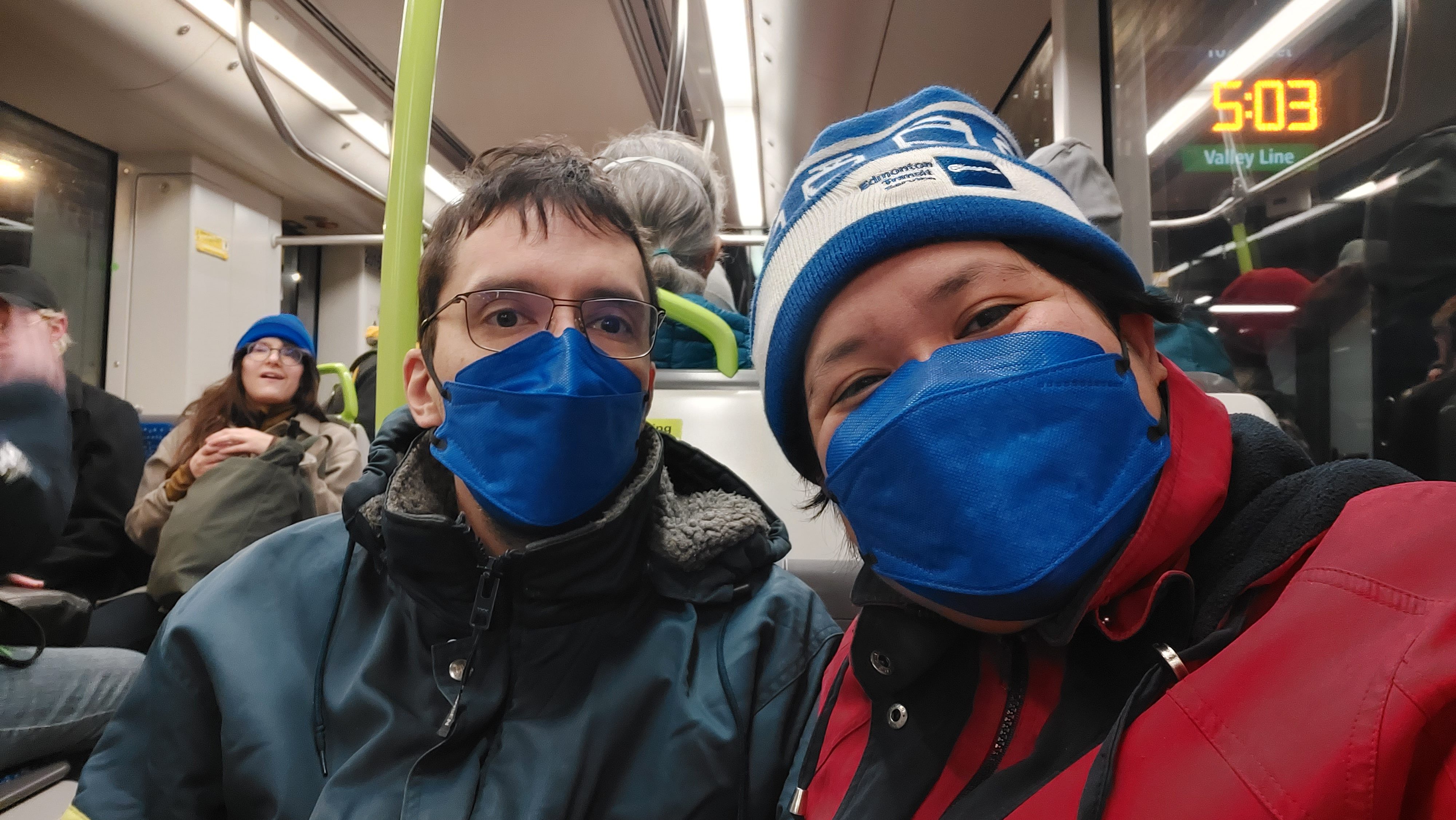
At 5:03 AM, after the passengers did a countdown, the LRT departed from the 102 Street station on the way to Mill Woods. My husband and I were lucky to find seats.

Edmonton Hosted the annual Canadian Urban Transit Association Conference

In mid-November, Edmonton hosted several transit-related conferences, the Youth Transit Summit and the regular Canadian Urban Transit Association convention. The CUTA conference happens twice a year, a smaller spring convention and the main fall convention, in various locations across Canada. Back in 2018, during my first year as a board member of the city’s transit advisory board, I was able to attend the CUTA conference in Toronto. So it was very exciting to have my home city host it. I got sick in the middle of that week, but the fact that multiple members of our board were able to attend was wonderful.

The fact that the new LRT line opened just in time for the conference, so that it can be showcased to all the conference participants who signed up for technical tours, was a bonus. The technical tour I was able join, the recently re-opened Stadium Station, was informative and enjoyable. The best part for me is that not only was the tour focused on the station itself, but the changes in the residential areas nearby. The new cluster of tall residential towers is the first time I’ve witnessed a real-life example of TOR (Transit Oriented Development).

Edmonton Transit Service staff shared information and answered questions of the crowd during the technical tour of the station. One surprising fact I learned is that the undergound station is still functioning and was renovated into a service room.

Thinking back to my last vacation in Manila, Philippines, I chose to rent a condo that was walking distance to an LRT station and a mall. It made travel very convenient as it was an effective way to beat the horrible road traffic during the holiday season. My current home here in Edmonton will have the same convenient access as well. My husband and I walk to the mall and business plazas nearby. We are walking distance from a hospital, gas station, convenience store and a car wash. When the LRT finally gets opened in a few years, it would make getting around even more flexible. I’m curious to see what will happen now to the areas within blocks off every transit station.

Showcasing the Transit System to a City Councillor

Then in late November, I did something for the first time, something I have casually offered on social media to the politicians of the city but no one took it up until that day. On Sunday November 26, I spent the morning with one of our city councillors and their staffer on multiple ETS transit trips across the city, experiencing various methods including the bus, LRT, replacement service, on-demand bus, and walking to a destination as opposed to taking a bus. I admit I was nervous, worried that I may sound irritating with too many complaints and concerns I was pointing out all throughout the trips. But they were both receptive and the blog that was published afterwards is insightful.

I showed Councillor Cartmell the various ways temporary bus stops are designed. I pointed to him that this one along 102 Avenue and 133 Street has good platforms for the front and back doors.

Transit, safety in public spaces, homelessness, and ‘value for taxpayer money’ arguments take up a lot of discussions on city politics lately. I’m curious to see what additional decisions that are made politically and the changes that city administration would make to work on these issues.

Report it on the App: The Captive Transit User Series Part 12

By: Giselle General

This is part of an ongoing series of posts discussion issues I personally encounter while taking public transit in Edmonton. Links to other posts will be added on an ongoing basis:

What is a Captive Transit User? I learned about the term for the first time from the City of Edmonton’s website. The easy definition is: someone who takes public transit because it’s the best (or only available) option for them to travel around. The part about feeling ‘captive’ comes from the restriction that sometimes comes up, perhaps because one is too poor to own and maintain a vehicle, one does not know how to drive, or for medical reasons, cannot operate a vehicle. In many ways, I relate to this a lot. Though I’m pretty fortunate to afford the occasional taxi ride, and with my husband having a car.


Whenever I take the bus or LRT, regardless of whether I’m alone or traveling with my husband, I try to pay attention to my environment. Sure, at some point I end up getting slightly bored and browse on my phone, but I don’t do that until a few minutes after getting on the bus. It’s also why I don’t wear headphones while taking transit.

Frankly speaking, the reason I feel inclined to stay alert is not related to safety. Sure, that is important, but thankfully I personally haven’t experiences direct and aggressive treatment on the bus which is a relief. I have a different motivation, that is to observe whether something is going wrong with the bus, train, bus stop or transit station that needs to be fixed. The moment I spot it, I report right away on the 311 app.

The City of Edmonton has an app called the 311 app, that enables people to report different things that the city can resolve. It includes a feature to take a photo (although it is not mandatory which is good), text boxes to add a summary of the issue, automated geo-location, and a check box to indicate whether the issue causes accessibility concerns.

As far as transit, the categories are:

Late Bus: For this section there are questions such as the location, bus stop and route number, and whether the delay is due to weather conditions. I personally don’t make a report when a bus is 15 minutes late and if the travel apps like Google or Transit had actually indicated it. It means that it is a real-time update. But if it is winter and the bus is 20 or more minutes later, then definitely I would report.

Transit Feedback: I am guessing that this category is for other types of feedback that are not related to buses being late, or not related to broken and dirty things in transit facilities. In the past, the third category is specifically related to vandalism and cleanliness, so I have used this category to report something that is simply not working, like a digital sign. I also haven’t used this option in a while.

Transit Maintenance: This is the option I use most often. What I typically report falls under two categories: items related to cleanliness or vandalism, and items related to functionality of electronic items in the bus. The vandalism I’ve reported vary, from scribbles on the seat in front of me written with pen or paint, broken wayfinding signage in downtown right beside a bus stop, a few bus shelters where the glass walls had completely shattered, and the one I know should be addressed quickly – colorful and sticky stains on the bus seats, especially the fabric ones.

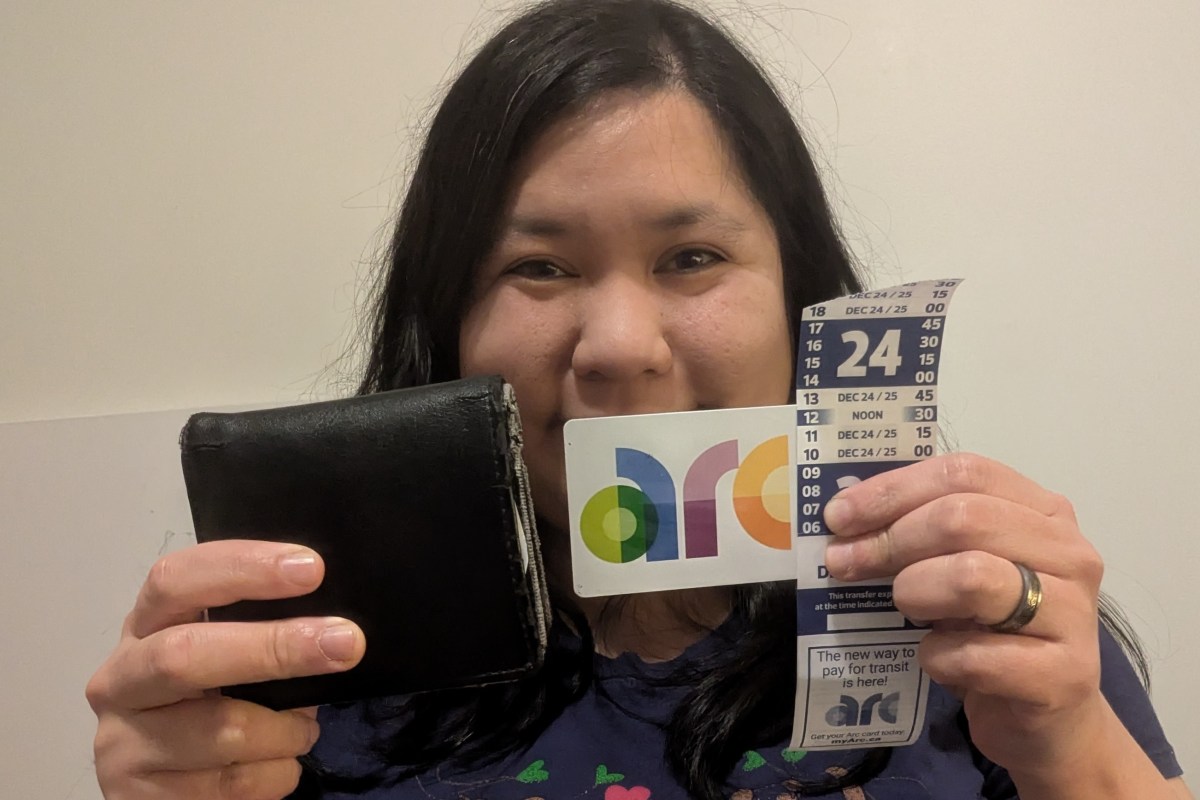
As far as functionality of electronic items in the bus, there are two main ones. First is the ARC Card machines where people are supposed to tap on their way in or out. The sounds from the machine are quite distinct whenever it doesn’t function. When after 10 minutes on the bus, I can still hear the particular beep that indicates it’s not working, then I make a report. If the display screen is not working, I do the same. The most frequent report I do though is whenever the device that is supposed to announce the next stop is not working. as indicated in this post, I’ve learned to appreciate the value of hearing and also reading the information of the next stop, especially when it’s hard to see over the window. The best part about the app is whenever I report issues, there’s a check box that asks whether it is a disability issue. Whenever it does, I check if off every single time. I truly hope that the issue gets escalated.

It’s truly unfortunate that I cannot see whether the issue is fully resolved or not. The odds of me taking the same bus with dirty seats right after I made a report is unlikely. The only update is seeing the ticket being closed or “redirected to other business area.”. However, in our data-driven society, I know that every report gets added in the statistics. In fact, there are public databases available on all the 311 reports made to the city, for those who want to do analysis on a certain issue and want to use the number of complaints filed as supporting evidence.

If there’s one change I’d like to see on the app, is to know for sure whether the issue is fully resolved or not. A photo to show the issue is fixed or cleaned would be so nice. A once-sentence update that says the broken speaker or digital sign is fixed on a certain date would be so reassuring. Even a statement saying that the issue is considered and can be addressed by future policy gives an indication that it is a long-term problem. Maybe this can help prompt people to use these reporting methods more and trust them.
For now, I still use the app. It’s more productive that venting on social media.

Construction Zone Bus Stops: The Captive Transit User Series Part 11

A street in Edmonton with a temporary bus stop made with cement barricade, wooden platform, and 2 x 4 for the fencing.

By: Giselle General

This is part of an ongoing series of posts discussion issues I personally encounter while taking public transit in Edmonton. Links to other posts will be added on an ongoing basis:

What is a Captive Transit User? I learned about the term for the first time from the City of Edmonton’s website. The easy definition is: someone who takes public transit because it’s the best (or only available) option for them to travel around. The part about feeling ‘captive’ comes from the restriction that sometimes comes up, perhaps because one is too poor to own and maintain a vehicle, one does not know how to drive, or for medical reasons, cannot operate a vehicle. In many ways, I relate to this a lot. Though I’m pretty fortunate to afford the occasional taxi ride, and with my husband having a car.


I jokingly refer to my current place of residence as the “West End Construction Pandemonium Zone.” Although that is true, I cannot monopolize the title. All the different areas along the LRT construction route, whether the east one from Mill Woods to Downtown or the west one, really fall under this category. When I tell exactly where I live, though, people agree and do the small cringe that shows sympathy.

Funny enough, my commute taking the bus to and from our neighbourhood is overally pretty smooth. The issues I encounter are not any more different than my previous homes or workplaces. The new experience for me over the past year is the slight changes in the bus stops. Whether the east bound or west bound ones, every few months or so, the bus stop gets moved a block or two away. This is so the construction company has full access to the stretch of road where they are doing underground or above ground work. 

As a result, I had to pay attention to my surroundings and check the navigation apps. and I had to calculate extra walking time, and it’s best not to be surprised. The worst feeling is having to run to go to the nearest bus stop and see the bus zip past you. Learned that the hard way a few times. 

I learned that for drivers, there’s a bit of a learning curve as well. Sometimes, their digital screen doesn’t immediately update and so they will not be allowed to stop and let passengers disembark. 

The temporary bus stops would have the usual sign used in regular bus stops, but that’s where the similarities end. Since the stops sometimes have to be positioned in the middle of the road or right beside a sidewalk, there were these wood structures with platform and railings set up. There are no seats or roofs either. Depending on the location the ramp for wheelchair users are set up different ways. I suppose, portability is a factor in these structures so they can be moved wherever they are needed.

Snow clearing was something I worried about since construction zones are left untouched. This winter has been very, very good, perhaps even safer than the sidewalk near the houses. I suppose sparing a bucket of gravel to deal with an icy patch is barely noticeable given the amount of construction materials they have to use. I hope that this continues for however many more winters to come.

Being sneaky with jaywalking (oops) is something many of us bus riders do, because taking the very very longer way to cross the street and catch the bus is a pain in the butt. I am careful and know my basic safety principles when crossing the street so fingers crossed I don’t get hit by a car. Besides,  as a result of the construction there are fewer lanes on this major road, basically cut in half. So crossing the street the jaywalking way is like crossing a residential street that feels like an unmarked crosswalk. Let me be clear I’m not actively endorsing this – do at your own risk.

And there are times when the bus stop comes a lot closer to my house and it’s really nice. This is the case for the west bound bus stop where I disembark on my way home.

It takes diligence and responsibility of not only the city, but the construction company to ensure that residents and users of the road have a manageable experience, especially for a project that will take years – maybe even close to a decade, to be completed. 

My husband and I also walk by the construction area (of course just by the periphery and we stay outside the barricades), and observe the process. We can’t help but trade jokes about the pillars being constructed, given what happened in the summer of 2022. I’d take photos of the construction areas and sent them to my family group chat. My brother-in-law teases me that I’m overly generous and optimistic about when the construction will be completed. Well, I’d love to take his son, my nephew, on a cool train ride before he enters first grade so I can gain some ‘cool auntie’ points. 

The only other thing I hope that temporary bus stops have is better shelter from the heat and cold. Given that many of the regular bus shelters and stops don’t have it, perhaps it is a pipe dream. But, it never hurts to dream, right? It would also help in the summer construction months, to shield my eyes from the dust cloud right after a bus pulls over.

Transit Routes Made us Move! The Captive Transit User Series: Part 10

A snowy sidewalk with a sign saying "ETS Bus Stop" learning against a teelphone pole.

By: Giselle General

This is part of an ongoing series of posts discussion issues I personally encounter while taking public transit in Edmonton. Links to other posts will be added on an ongoing basis:

What is a Captive Transit User? I learned about the term for the first time from the City of Edmonton’s website. The easy definition is: someone who takes public transit because it’s the best (or only available) option for them to travel around. The part about feeling ‘captive’ comes from the restriction that sometimes comes up, perhaps because one is too poor to own and maintain a vehicle, one does not know how to drive, or for medical reasons, cannot operate a vehicle. In many ways, I relate to this a lot. Though I’m pretty fortunate to afford the occasional taxi ride, and with my husband having a car


It finally happened! Well, technically the decision was last December which is already half a hear ago. Putting up with the huge change in transit routes in my former neighbourhood, in addition to re-evaluating my life after losing in the the municipal elections, prompted me and my husband to sell our home.

This time around, I didn’t need to grab a paper map of all the city-wide bus routes. Google Maps is much more handy this time around. So it is much easier to assess the bus routes to and from downtown and other parts of the city, at various times of the day.

In addition to the very desirable financial aspect of being mortgage free, having access to bus routes similar to the former number 4 route, or better, is a key criteria. And that is absolutely what we achieved in the townhouse we bought near the Misericordia Hospital on the west end. We officially moved in Spring 2022.

I used to want roommates. Now I want affordable. And always, I need the bus…

https://www.cbc.ca/news/canada/edmonton/first-person-henday-project-giselle-general-1.6441221

This time around, the routes I have access to is many times better than my former neighbourhood. In my former home, I was already happy with that one bus route since it is so frequent and available from early morning and late night. Now, since I am along the major road which is 87 avenue, I have access to two of these frequent bus routes, in addition to several 3-digit community routes and 2-digit cross-city routes. And many times, when I have to do errands, walking is a very feasible option. Walking under 20 minutes, I have access to many five business plazas, including West Edmonton Mall!

Living in a place with convenient transit and walking routes meant I haven’t had a taxi or rideshare trip since May, and as of writing this it is already July! In the past, when I am running a bit late going home from work, I’d take a taxi or rideshare. My monthly budget for this is about $150 a month. Looks like I will be way in the green at the end of the year.

Even the construction happening right next to me isn’t a bother at all. The construction company seems to diligently make efforts to provide proper signage for detours for cars and pedestrians, and adequate notification if construction needed to be a bit noisy at night. Sure it might be about a decade or so, but it would be even more remarkable when we have an LRT station just a stone’s throw away.

This is the ultimate goal, what I hope everyone can have – to have “transit so boring you don’t even check the schedule”. This is my experience now, and in my opinion, that is what it takes for people to trust and choose transit as a serious mode of transportation living in this city.

“Sprinting While Connecting” The Captive Transit User Series Part 9

A stylish professonal woman by a sidewalk during the day waving for a bus.

By: Giselle General

This is part of an ongoing series of posts discussion issues I personally encounter while taking public transit in Edmonton. Links to other posts will be added on an ongoing basis:

What is a Captive Transit User? I learned about the term for the first time from the City of Edmonton’s website. The easy definition is: someone who takes public transit because it’s the best (or only available) option for them to travel around. The part about feeling ‘captive’ comes from the restriction that sometimes comes up, perhaps because one is too poor to own and maintain a vehicle, one does not know how to drive, or for medical reasons, cannot operate a vehicle. In many ways, I relate to this a lot. Though I’m pretty fortunate to afford the occasional taxi ride, and with my husband having a car.


This particular write-up combines two of the issues I am passionate about as a person who is unable to drive: public transit and snow clearing.

I think it is a right of passage for any Edmontonian to channel their inner cheetah, or kangaroo, or Usain Bolt, to get off the bus and train they are currently in, see the connecting bus or train for the next part of their journey, and run to catch it like your life depends on it. It may be an exaggeration to say that your life is over if you miss your connecting bus or train, but it can be quite inconvenient, a great cause of stress and a waste of money and time when you do.

During my early university years, for my morning classes I would hop off the #119 Bus at the West Edmonton Mall Transit Centre, and then sprint to catch the #4 or #106 to go to the University of Alberta to make it on time for my 8 AM class. Going home is the worst part though, particularly after 9 PM. if I missed the #136 bus, I’d have to wait another half hour (or during the years before 2010, it is an hour-long wait) to get home, and my tired self just feels that is too much. So I’d take a taxi, spend $25 to get to my home in the Hamptons neighbourhood on the west side of the Henday. At the time, it’s so far west, that when I say the street address, taxi drivers get confused and say “What? That’s a street number beyond the 200! Where is that?”

When transit facilities expanded and the Lewis Farms Transit Centre opened in 2011, I had more travel options and it was nice! I can take the express morning bus straight to South Campus LRT, and upon disembarking, I’d sprint to catch the train heading to the University of Alberta North Campus. Now that I think about it, even through the winter months, not a single time did I slip on ice or slush, fall and hurt myself while sprinting to catch the train. Sure, sometimes I miss the but or train I meant to catch, but the mantra I tell myself while still trying to sprint is “better late than injured”.

I know that many people find transit unreliable because of the issues with connections. It’s tricky because on one hand, I understand the expectations of promptness. If the app or the map says that the bus is arriving at a certain time, it better arrive that time, right?

A street intersection during winter with a transit bus passing by.

But at the same time, road conditions certainly affect the speed of the bus from one stop to the other, and from one transit station to the other. Many things can cause micro-delays that add up, from a passenger with a wheelchair boarding or disembarking, letting a mother duck and her ducklings cross the street, or a bus driver deciding to help an elderly person take their groceries home. Perhaps the LRT is delayed because of people trying really hard to squeeze in, or holding the door open for that poor fellow running to catch the LRT. There’s so many factors.

This last winter, when the roads were so dangerously icy due to the freeze-and-thaw conditions, Edmonton transit told all buses pull over and stop operating for an hour until it is less icy. I imagine that derailed many people’s commutes, but I also understand that driver safety is important. Better be late than the city spending hours of time and lots of money rescuing buses that crashed.

The mobile app of the the city 311, also has a new feature now where people can report whether a bus is late. I hope this is something that people use more often. The social media account for transit is not as responsive as the one in Calgary so venting about it on social media is not as effective.

Going back to the panicked moments when catching my connecting bus or train, I’m so relieved that I’ve never slipped and smashed my face onto the concrete. Particularly for the South Campus LRT station which I used almost daily for a while, whenever there’s a heavy snowfall I see the city staff using all tools and equipment to clear snow on the go, from manual shovels, a bobcat, to what I nicknamed as the “motrorized rolling snow brush thingies”. I’m grateful for the quality of their work and I hope they continue to be able to do this.

Now that I moved to a new neighbourhood where transit is much more frequent (on peak hours I have a bus that comes every 10 minutes or less, and in the evenings, every 15 minutes or less). So I will likely not need to sprint and chase the bus to go to my usual destinations. It’s about time, as my knees and my feet are not in the best shape. This is what I wish for people all over the city, to have transit coverage so boring you don’t worry about when the next one is coming.

The Evolution of Audio Announcements- The Captive Transit User Series Part 7

By: Giselle General

This is part of an ongoing series of posts discussion issues I personally encounter while taking public transit in Edmonton. Links to other posts will be added on an ongoing basis:

What is a Captive Transit User? I learned about the term for the first time from the City of Edmonton’s website. The easy definition is: someone who takes public transit because it’s the best (or only available) option for them to travel around. The part about feeling ‘captive’ comes from the restriction that sometimes comes up, perhaps because one is too poor to own and maintain a vehicle, one does not know how to drive, or for medical reasons, cannot operate a vehicle. In many ways, I relate to this a lot. Though I’m pretty fortunate to afford the occasional taxi ride, and with my husband having a car.

“A hundred and eleven street, a hundred and second Avenue…A hundred and twelve street, a hundred and second Avenue… A hundred and thirteen street, a hundred and second Avenue.”

These lady robot announcements weren’t always a part of one’s commute taking the bus here in Edmonton. The first time I started hearing them, I think it’s about 2012 or so, I can’t help but giggle while taking the bus because the voice just sounds monotonous and a bit silly. My brother (who was new to Edmonton at the time) and I would poke fun at the robot voice sometimes. But the more I hear these announcements, the more I appreciate its benefit when taking transit in Edmonton.

When I first came to Edmonton in 2008, I used a print map of ETS to get around. I have both the city-wide map to help me understand the different routes available, and the the route-specific maps as well. I needed to be familiar with the route number 4, 106, 150, 111, 112, 100, 119, 136 and the LRT so I can to go school, work, hang out with friends and do other activities. I still had a flip phone during those early years and Google Maps is not as good as it is now.

A public transit bus rapidly passing through.

I tried very hard to make sure I get off the right bus stop, but in the winter, when it is dark and the windows are frosted it can be tough to look out by the window and keep track. If you end up missing your stop by a few blocks, walking a few extra minutes late at night and in the winter is not something I – or anyone – look forward to.

I also realized that the audio announcements help people with disabilities! I remember reading a quote from a news article from a person who is blind, who said that the automated announcements of the next bus stops are really useful. I bet that for people who are also new to Edmonton, it’s handy as well.

Screenshot of Google Maps showing walking and bus directions in Edmonton.

When I visited New York City last year, a city where sure, there are numbers in the street names, but the system is so different, hearing the audio announcements of the upcoming bus stops, while looking at the app on my phone, helped me navigate around really easily.

But then, we all know that technology is not perfect. When I lived on the further west side of the city, taking the 136 bus, one of the words that is in several street names kept on being mispronounced. For some reason, ‘Potter” became “Potters” and the word next to it loses the letter S at the end. So, Potter Greens Drive sounded like Potters Green Drive. The city’s app for reporting different city issues also wasn’t perfect – there wasn’t an option to report operating issues specific to buses at the time. But I did my best to report it anyways. I really hope it’s been fixed.

At least twice a week, there seems to be technical issues with the LRT announcements when it is supposed to indicate the next station. Either the next station announced is a few stations off, or the announcements were in reverse order. Luckily, now there is an option in the City’s app to report issues about transit vehicle operations.

Selfie of woman outside in winter, wearing a knitted winter hat and most of her face covered in a light blue scarf

LRT stations have additional types of announcements as well which is handy. Particularly right now during the pandemic, there are audio reminders that masks are mandatory. Back in early 2020, both the above-ground and underground LRT stations started to give passengers a heads up that bus transit fares are increasing in the near future.

Overall, audio announcements has been a handy feature for all users of our transit system. I hope that it continues to have the proper resources to maintain and update its functionality so that it works most – if not – all of the time.