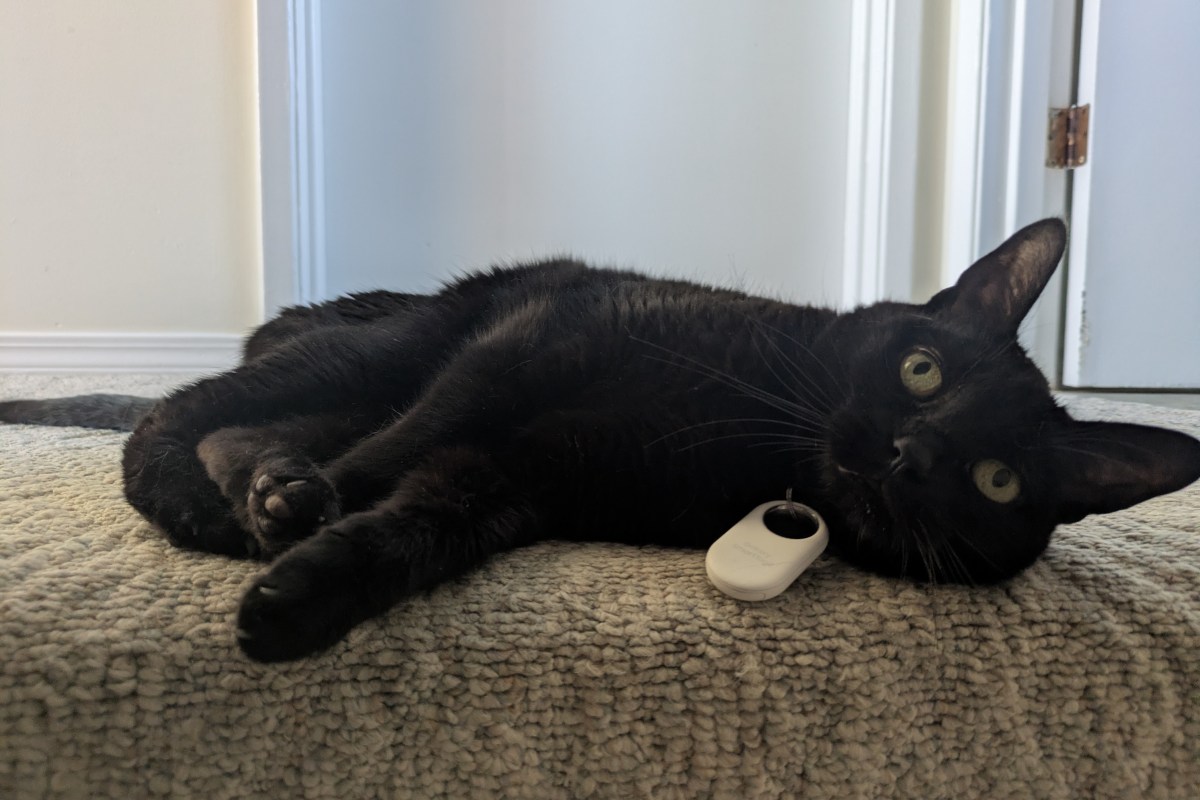
How the City Government Cares for its Non-Human Creatures

By: Giselle General

I was in Grade 2 when I first learn the iconic song Masdan mo ang Kapaligiran, every lyric profoundly sharing how human activity, socially, politically and economically, impacts the natural environment, many of times for the worse.

As a city that prides itself on having so much natural space, where so frequently, a seemingly simple path entrance off a sidewalk leads you to vast nature trails where it looks like you have a Camp John Hay park or a La Mesa Watershed in just a few steps, one cannot help be think about the creatures that live in these places.

Animals are a part of our lives in other ways too, from many people having pets of various kinds, to finding ways to integrate farming in our urban residential spaces, to ensuring our vehicles, buildings and backyards are less likely to harm these animals while ensuring we are safe.

For those who wanted to be more engaged with the city, there are a few things we need to make part of our everyday lives and resources we need to remember and share with others.

Over the years, I’ve learned how to be thoughtful about interacting with animals that migrate in and out of our city. While admittedly they are scary enough that all Canadians learn to give them space that a reminder doesn’t seem necessary, when the Canada geese that flock over in the spring in our city, giving them distance when they’re walking around, nesting and caring for their young in parks and ponds is a great habit I’ve seen people do regularly. As long as we adapt the same approach to other animals we see around, whether it is garden snakes in the river valley rails or beavers in the water we can do our part so let them live their best lives.

The city, in partnership with the University of Alberta has a wildlife monitoring project called WildEdmonton to track animals of all sized using remote cameras. Human disturbances result in damage and shrinking spaces for wildlife to live, so monitoring these can help identify trends and mitigate losses. Protecting biodiversity is a great taxpayer money spending category if you ask me.

The city has an Animal Control department and it is important to remember that through the Animal Care and Control Bylaw, there are fines for violations such as Excessive barking, owning an unlicensed pet, not cleaning up their poop, that cost hundreds of dollars. A dog attack causing injury can result in a fine ranging from $250 – $7,000 which is worth knowing, but bylaws are only as good as the reports being filed. Maybe the processing time would not be as fast as a conventional 911 call, but I encourage people to speak up, report and be a witness when these incidences happen to hold our fellow residents accountable. I remember when I was in the peak of campaigning for city council, I’ve visited my godmother a few times and she is very passionate about animal control especially after my cousin was attacked by a dog when he was little. There are also incidents in the city of a child being killed by a dog, so this is truly serious.

There are plenty of resources for responsible pet ownership, including the processes and reasoning behind pet licenses and microchips, spay and neutering, lost pets reporting, protecting them from wildlife and ensuring that they stay safe. Maybe it’s the ESL in me, but I still end up adding an extra letter R in the word spay.

A seemingly simple but important advice I’ve heard heavily promoted in recent months is to not throw your aquarium fish in the sink, toilet or the city’s sewage system. Goldfish, for instance considered invasive species and almost like a parasite, they reproduce so fast and can damage neighbourhood the neighbourhood ponds and lakes. I know of one neighbourhood pond in the west end that had a goldfish infestation several times and the city had to spend thousands of dollars to exterminate the fishes. There’s this one article I saw with a photo of a goldfish retrieved from these ponds and it grew to a size of a dining plate! No wonder other creatures in that natural area can’t survive.

And finally, for us everyday people there’s opportunities to participate in the law-making process whether it’s the bylaws or penalties. Engagement surveys become available on the topic every now and then, it’s always worthwhile to speak to your city councillor or the mayor, and use the 311 reporting process for any concerns about animals and wildlife in the city. We can always do our part to ensure that furry, winged and scaled creatures in our city always have a good life here too.
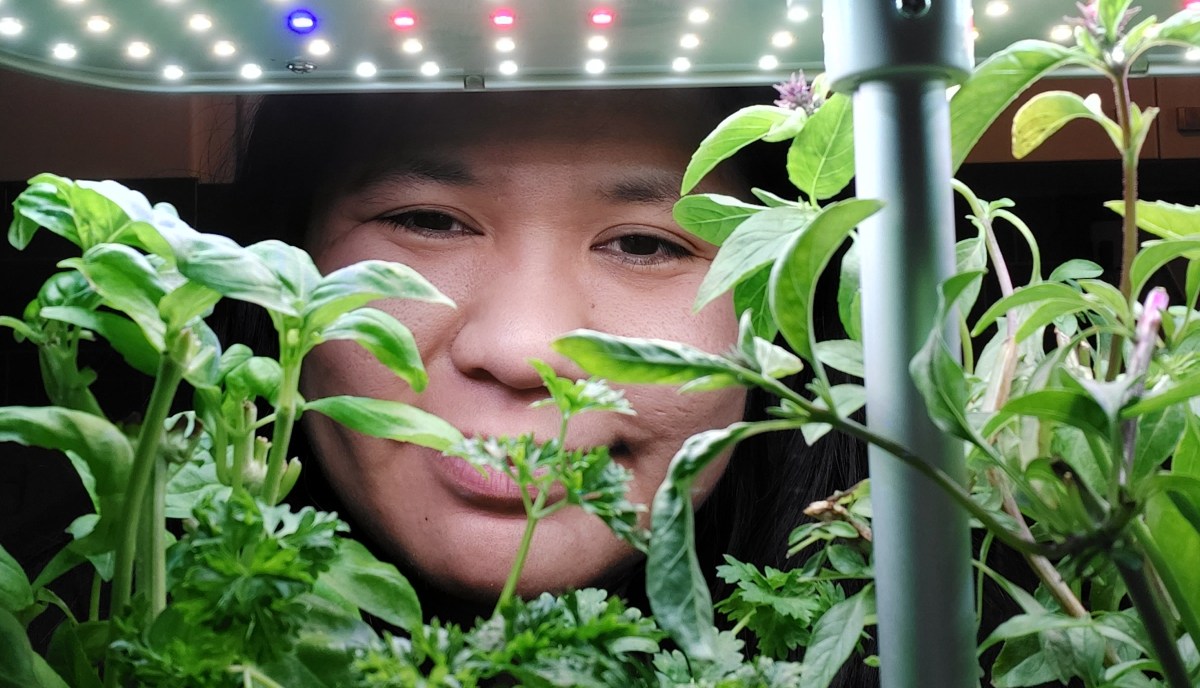
“Matanim ay ‘di Biro!” On Indoor Plant Care

By: Giselle General

Magtanim ay di biro, Maghapong nakayuko, Di naman makatayo, Di naman makaupo! (Planting is not a joke, as you need to bend over all afternoon, you cannot stand, you cannot sit!)

This is a folk song I remember learning as a child, about the hard work that is required to plant rice in farming fields. While I personally haven’t experienced that as a child since I grew up in a mountainous region in the Philippines before coming to Canada, it got instilled in my mind that care for plants is a serious and important thing.

Potted plants were a common thing in the homes where I lived in both countries. They came in different forms: an outdoor plant box, milk cans or clay pots for indoor plants, or just a raised garden bed right by the stairs leading up to the house. But plant care in Canada was a whole different ball game since the drastically changing seasons dictate what, when and how plants need to be care for.

I started paying more attention to indoor plants in the places I lived in, when I moved in with my then boyfriend, now husband. In his condo, he had one potted plant that he got from his mom as a housewarming gift. It’s one of those generic types of plants seen in many people’s homes. He had a nickname for it that stuck, Mr. Plant. We found the perfect spot for it, right beside the narrow living room window, perched by the edge of the TV stand. It was relatively low maintenance, watering it once a week and not putting any fertilizer was enough for it to survive long enough for us to take it to the house we moved in to in 2015.

That house came with one plant that was hanging by the stairwell ceiling, so we nicknamed it H. Plant, and yes H stands for “hanging”. We watered it regularly but didn’t put fertilizer as we never got into the habit of it. When there were a few leaves that were dying, I’d cut them off and put it in the pot, hoping to myself that it can be somehow a fertilizer substitute. I thought, it’s organic material, right? We also inherited an Aloe Vera plant from our friend, after their then newly-acquired cat kept on attacking it, which we aptly nicknamed A.V. Plant. It’s quite obvious that we name things in a practical, not creative way. We got a few other small pots of plants that didn’t survive as long, such as the one I got as a wedding gift, and one free pot I got from work for Earth Day.

A plate of spaghetti with homemade pesto sauce.

Sometime later in the year 2021, when we were shopping at Costco, my husband decided to take an impulse purchase, which is very rare. He decided to get tabletop Aerogarden, which is a techy pot for plants that uses water, fertilizer, with buttons and a digital screen to remind you to add water, change water, put fertilizer, and more. This was set up for planting herbs. I was at first skeptical of it, but the husband seems eager to try it, and promised to be on top of the maintenance. And it worked! Some of the plants grew early and quickly, and I had to keep up with trimming and harvesting the herbs and integrate them in our meals. That has been pretty fun, and delicious! The best part for me is being able to make homemade pesto with the very healthy basis plants (both Genove Basil and Thai basil) that is tasty and nut free. The dill has died and we tried to put a root of a spring onion and it also worked!

As a couple, we’ve never really been the type to pick plants for our house because they are pretty. We were so low maintenance and unmotivated to put plants in our front lawn and backyard in the bigger house we had! But the Aerogarden sparked a new interest to plant things that are more of a win-win for us, healthy because of better air quality inside the house, and healthy because they are edible. In Edmonton, there’s also additional conversations about edible gardens in outdoor settings. More people are setting up fruit and vegetable garden beds and pots in their front yard, more neighbourhood groups are setting up community gardens (including my own), and the city is helping those who want to put edible food plants in trails and neighbourhood ponds.

In addition to increased conversations about planing for sustenance, there’s also more encouragement towards planting outdoors with a goal towards naturalization. As in, planting pants, shrubs, bushes that are native plant species in the area, and in a way where mowing won’t be necessary. I thought that there’s merit to the idea, and I’m eager to see more people take up on it. Now that we moved to a townhouse with a very small patch of dirt under our property lines, I don’t think we’ll be able to contribute much to this idea. Overall, it’s pretty neat to see what captures people’s interest in plant care in their homes and immediate surroundings!