Love Language Reflections: On Food

By: Giselle General

The Generals, my father’s side, in my mind is the side of the family that rules when it comes to food.My father was responsible for that reputation. My limited childhood memories of him consists of him planning our meals and delegating our yaya (nanny) with specific instructions on what cut of meat, what vegetables to buy, as well as step-by-step cooking instructions. He would write them in neat block letters using the scrap paper he brought home from his office and hang it up on the fridge. On weekends whenever he has the time, he would make pancakes using a specific store-bought mix, but my young self watched in wonder as he would make sugar syrup from scratch. He would show me in the little pot the sugar and water combination while cautiously warning me that it is very, very hot. Now thinking about it, that makes sense since he works as the supervisor for the Safety Department in the mining town we lived in. It’s one of the small and loving memories of him that I’ll always cherish.

And then there’s his mother, my grandma, who also serves incredible food when we come to visit. My family lives almost an 8 hour ride from Metro Manila, where my father’s side lives. Whenever we visit for about a week and a half shortly after Christmas up to New Year’s Day, we get treated with grandma’s most popular and incredibly tasty foods. Almondigas (asian noodle soup with pork meatballs), embutido (steamed meatloaf rolled like logs), macaroni pasta, beef mushroom, carbonara and more. I learned that making party trays of these dishes is her main way of making a livelihood. If I remember correctly, for the payment she gets for the party tray, she is able to cook enough to fulfill the order and make extra for at least two meals for a fairly large family.

After my father, mother and sister passed away, my brother and I continued the tradition of this annual visit to Manila, and when we do arrive, we embrace the warm feelings from having these foods again. Grandma would always say whenever she serves a dish, something like “oh this one, your Papa loves it when I make this” or “I remember when you were kids, your Ate (big sister) keeps on saying this is her favourite.”

Now, I have been trying to replicate some of these recipes. Some more easy than others because the products that you buy here are a bit different. Instant Cream of Mushoom Soup is an example. In Canada you buy it in cans, while in the Philippines, it is in powder form. I messaged a cousin on Facebook for the recipe and made it one night when we hosted my partner’s family in our condo.

During our very recent trip to the Philippines in December 2018, as always my partner and I had to be deliberate on which restaurant we go to for meals, given his food allergies and sensitivities. A go-to place for us is this all-day breakfast place called Pancake House which we discovered and really enjoyed during our last visit in 2013 as well. This time around, we had a chance to go there with my uncle, the only living brother of my father. He said more than once that that restaurant is one of the two places grandma really likes to go.
My grandma passed away a few years ago, and I’m pleased to hear that my relatives try to make some of these dishes themselves. It becomes a positive point of conversation among them, and it is starting to be part of my life too despite living literally on the opposite side of the world. I guess it’s just fitting that during the upcoming long weekend I will try to make the Almondigas soup while it’s super cold as heck here in Edmonton. Memories, habits, personalities are transmitted and memorialized in food, a really meaningful and powerful love language.

Can’t Pour From an Empty Cup – My Challenge with Giving Donations

By: Giselle General

Whether it is from being more connected through social media, or with just being more connected in the community where I live now, I feel that I have been receiving so many more requests for help, specifically financial help. And all of these calls for financial help are for a good cause, from shelters for refugees in a land with no infrastructure, to programming to help with Indigenous awareness and culture preservation, to keeping abused animals safe, to keeping abuse children safe. Some programs are meant to help in an immediate, tangible matter such as meals or clothing, some are for advocacy work to help change policy which impacts people on a massive scale. There’s just so much.

With all of these requests, I frequently feel compelled to give and help. Unfortunately, I have the very human condition of having limitations and uncertainties. Here are some of the challenges I face and my ongoing attempts to deal with them.

For social enterprises or fundraisers, it can conflict with my minimalist/ anticonsumerist perspective I am trying to adapt. I am not a big spender to begin with when it comes to the day-to-day items I need. So I struggle when there is a social enterprise with a sales model where you buy one item, you give the same item to someone in need. This can be shoes, bags, dolls, socks, etc. Same thing with food fundraisers. My grocery habits are quite fixed, so buying extra meat, veggies, cookies, soaps for fundraisers will cause waste in my home. At this rate, I generally avoid participating for this very reason. I try to find other means to help.

Setting a limit – as in financially – is so essential and so hard. Thanks to my significant other, I have found a system where I budget for every type of expense I incur, and track them in a convenient and systematic way. So yes, I am aware of how much I have been spending towards charitable donations. Not all of them even qualify for a tax receipt, particularly if it is directly assisting a person through the MyYEGStrong Twitter Account or initiatives through GoFundMe. I’m not simply after tax benefits, not at all, but I need to be mindful of the total monthly and annual costs

Unfortunately, I have the very human condition of having limitations and uncertainties.

I’m trying to master the delicate art of gracefully saying no, without shame. For people who feel compelled to give, there is a heavy feeling of guilt that can arise from being unable to give what is being asked. When I have to say no, I try to provide an explanation, saying that perhaps I can help in the future, and wishing them well in their fundraising endeavours. One thing that I avoid doing is “ghosting”, or essentially ignoring the message completely. I’m not perfect at it, but I know that having an answer is better than none at all.

A few sayings are starting to become more popular these days, such as “you can’t pour from an empty cup” and “you need to put your own oxygen mask first before assisting others“. Another idea that I’m starting to internalize is “everyone is trying to do the best they can with what they have“. This is what has helped me with both being kind with my limitations, and being proud of what I am able to do.

Giving in non-material or non-financial ways are plentiful, and I’m realizing that they are very much appreciated as well. There are other ways to help out such as time, organizational skills, knowledge and feedback, and spreading awareness. I had a friend tell me that she ended up volunteering for a youth-related initiative because of a social media post that I shared. I wasn’t able to donate or attend that event, but it looks like it inspired someone else to do so. I have started volunteering for casinos for charitable organizations, which is a huge thing around these parts. Filling out government surveys or sending a thoughtful response to a government official about a certain topic can help cause a positive change in the law. There are a lot of options, great ones, that will always be available when one is ready and able to give again.

Getting Involved: A Review of the Insight Community Surveys

By: Giselle General

In this day and age, thanks to technology and social media, it seems to be very easy to share one’s thoughts and opinions.

This is a quick review of one of the ways I try to get involved in the community, through the power of technology, and why it is worth considering.

I would describe the Insight Community (weblink is https://www.edmonton.ca/programs_services/public_engagement/edmonton-insight-community.aspx) as an online questionnaire program run by the City of Edmonton. Every month, if you have subscribed, you will receive an email with a link to a survey, that answers questions on different topics that the City works on.

How Does it Work?

It’s an easy process. Anyone interested can go to the link and create an account which asks demographics related questions. And then once a month, an email arrives in your mailbox with the survey for the month, what topics it covers, and the deadline.

Email for the January 2019 survey, That’s quite a range of topics. The Opt-in is an opportunity to answer additional in-depth surveys on specific topics.

Why do I do this?

It’s relatively straightforward and easy. I also sometimes feel like I only find out about city issues or changes in programs, bylaws and procedures after the fact. When the shovels are on the ground for that infrastructure change, or the brochures and set and the staff has been hired for a program, it can be more difficult to tweak things around. Since the Insight Community Surveys are part of the public engagement process that city staff need to do, I feel like I am getting an advanced preview of what they are working on. It is also a great opportunity to learn about what is going on outside of my immediate neighbourhood, since sometimes there are also questions about upcoming city-wide infrastructure projects.

Some concerns I hear about the survey is the allegation that it is deliberately self-affirming. Another concern is that allegation that people who may not necessarily know about a topic are giving their opinions on it.

That being said, I personally try not to stress about these parts since it is something I cannot control, and I feel like there are adequate opportunities in the questions to provide written answers. If there is something that I really feel passionate about that is either not covered by a the current survey or that the survey cannot convey my opinions about it, I know that I can contact my elected representative though an email, letter, or phone call. Some lucky constituents may even have an elected representative who is also active on social media, and in that case they can be contacted that way as well.

So, go subscribe and spend a few minutes every month learning about the city and sharing your input! At least for me, these few minutes feel so productive, a time away from browsing for too long on social media, haha!

The Privilege of Hot Water

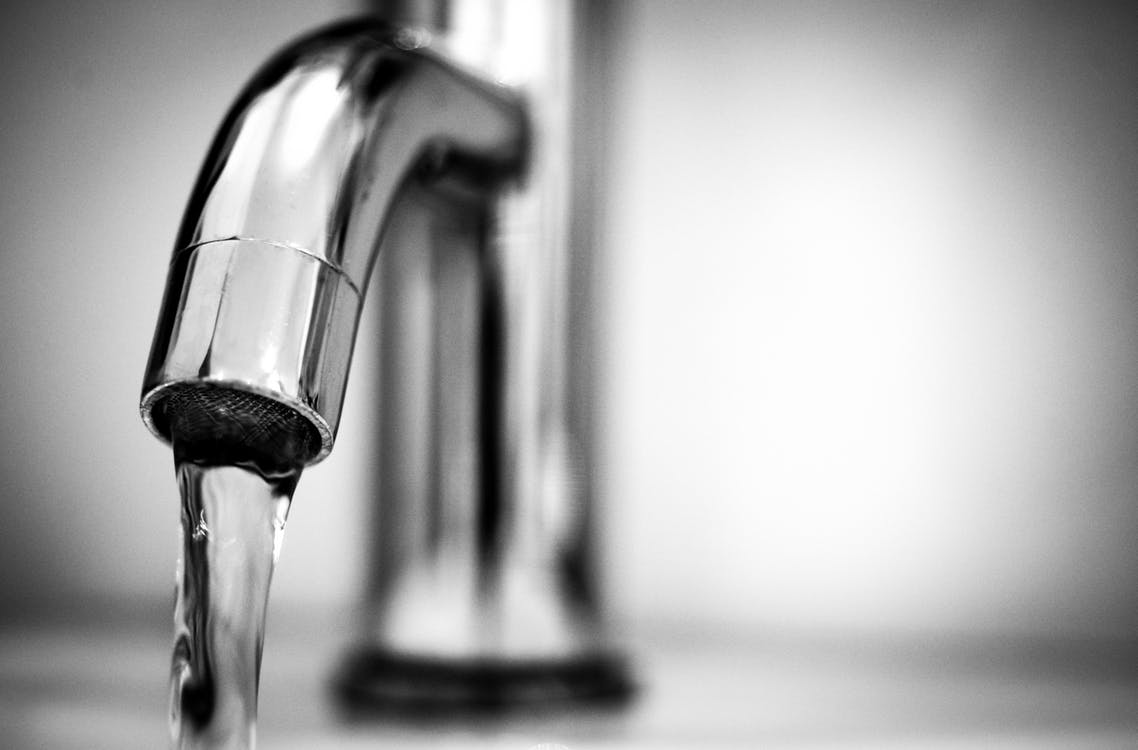
silver faucet with water flowing

By: Giselle General

Benguet Province, Baguio City, Cordillera Region. These places are associated with cold weather, and that temperature is reflected on the frigid water that comes out of the taps.

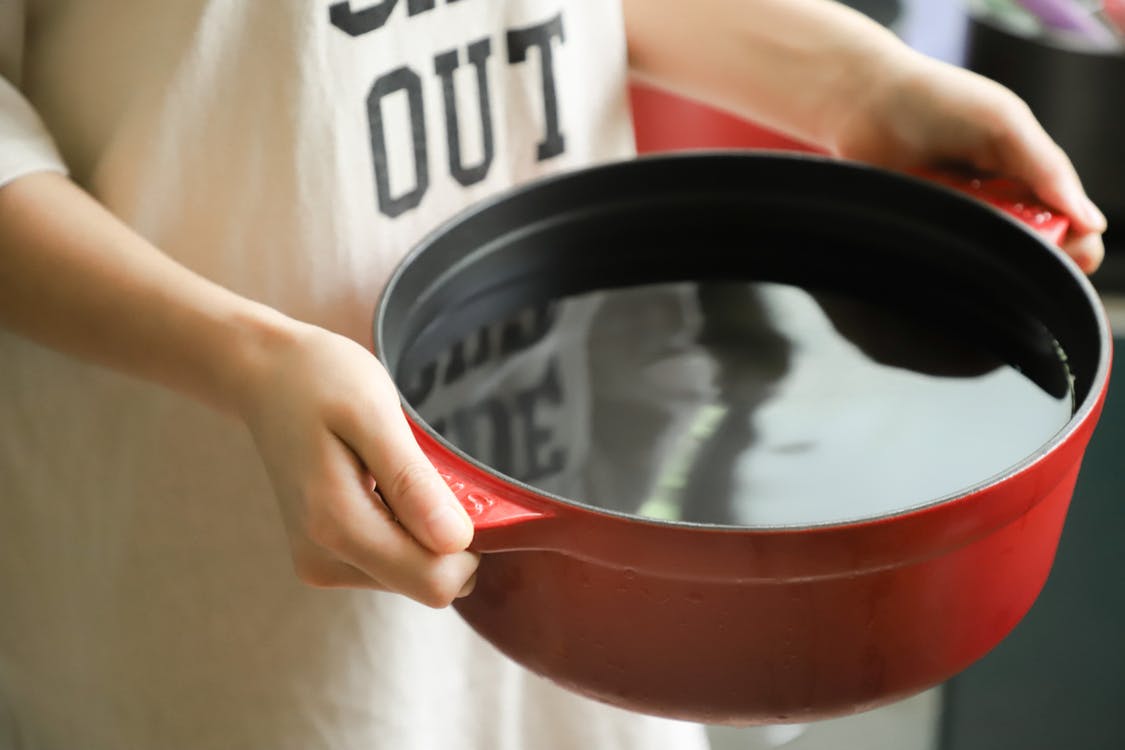
During our first planned vacation to the Philippines with my significant other back in 2013, he emphasized that we need to find a place with hot shower. I did tell him stories on how we make warm water for bathing by boiling water using a kettle or a large pot, then mixing that with the bucket in the bathroom that is half-full with cold water. He is not enthused by the idea.

During the second visit to the Philippines just recently, I was able to find more accommodations that boasted the availability of hot water as an amenity. In the bathrooms of these condos, there is an on-demand hot water contraption attached only to the shower plumbing, which means that water everywhere else such as the bathroom and kitchen sinks, still have the default water temperature.

bathroom showerhead with water tank and shampoo bottles

This made me admit that I have gotten too used to the luxury here in Canada, since I found the hot water in some of the accommodations unsatisfactory. It’s honestly very humbling.

Since the first 16 years of my life were spent in the Philippines, I have distinct memories of living without such easy access. And this is not just hot water, but consistently flowing water in general.

When I visited my cousin who is currently living in the home where I used to live in this small mining village, our chitchat was interrupted when she remembered that it is the scheduled hour for water access for all residents. Water is not available all the time, it becomes accessible for an hour at 5 AM, 11 AM and 5 PM. When these times arrive, that would be the main household chore that people have to focus on, simultaneously gathering water in storage containers and doing chores that take up a lot of water such as laundry. Ah, the memories.

kitchen sink and window in poor condition

There are still moments in the past years here in Edmonton, when I would be in the most random of places, like the washroom at the newly renovated third floor of City Centre Mall, of in the washroom of the South Campus LRT station that looks a bit worn down. As soon as I turn the tap or place my hands right where the senor is, water starts streaming down on my hands. At times, surprisingly warm that it can make me a cup of powdered Ovaltine or Milo or tea, if only I had the tools to make one right there.

Access to well-structured plumbing and sewage systems is still incredibly inconsistent in many parts of the world. The quality of plumbing fixtures even varies significantly depending on the location within a small area like a city. From a health standpoint, not just for humans but for the natural environment around where they live, this is really important. As I grow older and have more complicated views about life, I am starting to realize that these realizations will come even more often.

The last accommodations we had during our vacation would arguably be the worst in terms of water access. The water pressure is so weak, that the shower is practically a trickle of lukewarm water, and it took a few minutes to fill a cup of water from the tap on the sink. Maybe it was also the exhaustion from the trip overall, but it made us even more anxious to go home.

We arrived back in Edmonton at almost midnight and collapsed in our beds exhausted, we didn’t even have the energy to shower and clean off the gunk that we got from our long flight. The next morning, we took a shower as early as we could. I cooked breakfast and made coffee, being able to wash the greasy pan in warm water. As I was still adjusting to the fact that we returned to a place where winter is still happening, whenever I washed my hands in the washroom I would turn the hot water tap just a bit more, the flow of warmth providing comfort. I am home, and I know I’m freaking privileged.

Love Language Reflections: My Grandma

By: Giselle General

The first time I read articles about the concept of love language, it was framed in terms of romantic relationships. Giving gifts, quality time, loving words, helping gestures, and affection, are definitely key activities that help and sustain a relationship between lovers. That definitely made sense to me. And the fact that people have different preferences also made sense.

Recently, I have seen some articles that talk about differences in communication, affection and discipline when parenting children. The idea that “people function and react in a variety of ways” is something that I have been hearing about more and more. Perhaps then, for other types of relationships, there may be a variability in love language as well.

Unless someone makes a real effort to, one cannot give what they never received. One cannot give what they didn’t know they can have.

The recent trip to the Philippines to visit family made me think about these a little bit more, specifically my maternal grandma, who predominantly took care of my day-to-day needs after my brother and I lost our parents and sister.

I don’t dispute, nor do I undervalue, the gestures and sacrifices that she and all my relatives have done. Having to take care of two orphaned grandchildren while grieving for the death of your own child, son-in-law, and grandchild takes a lot of work, planning, troubleshooting and sacrifice.

She seemed to think that I didn’t appreciate what she had done, what she has given. Conversations during every visit has a similar pattern. After berating me with these accusations of ungratefulness, she will switch topics and talk about the land we inherited from her, such as how the taxes, land titles, and selling them. My stunted communications skills around her, because of the lack of warmth and trust between the two of us, make it hard for me to persuade her otherwise because I just shut down. As a frustrated teenager, there was a time when I did flip out my elders, calling them out for not being warm, affectionate, cuddly and motivating. I mean, young children do need those in order to grow healthy, strong and secure.

Given Grandma’s poverty-stricken background, survival and stability is most likely a key motivator all throughout her life. This I learned from the stories she would tell me as a kid, a personal and history-based version of bedtime stories that parents read to their kids. I know that as she became older and started her family and her businesses, she gifted all of her eight kids including my mother as well as her siblings, with land, and that is kind of a big deal. My mother and her siblings also received one business such as a store, and had their post-secondary education paid for. I imagine that it took a lot of hard work to earn the funds for and I appreciate that.

Her diatribes include snide remarks about how “hugs and kisses” are not essential, and would proudly claim that she never spanked us for discipline or abuse. From a history-based, trauma-informed approach that I have started to embrace, I realized that her love language is providing tangible items that provide both short-term and long-term benefit. Since her own father passed away when she and her siblings were young, and suffered hardship from bullying and poverty, her standard of treating family members is simply the opposite of what she has experienced and that’s it. Unless someone makes a real effort to, one cannot give what they never received. One cannot give what they didn’t know they can have.

With all of these in mind, I have made peace with the lack of affection that I received, and I feel empowered to seek that out for myself through other means. Perhaps in time, maybe I will learn how to display even some level of affection towards her, if only for a brief moment of time, before she changes the conversation into more business-like topics, like land and legal paperwork. These tangible items, which do cost a fair bit of money, are her love language, and will likely dictate the nature of our relationship for the rest of our lives.

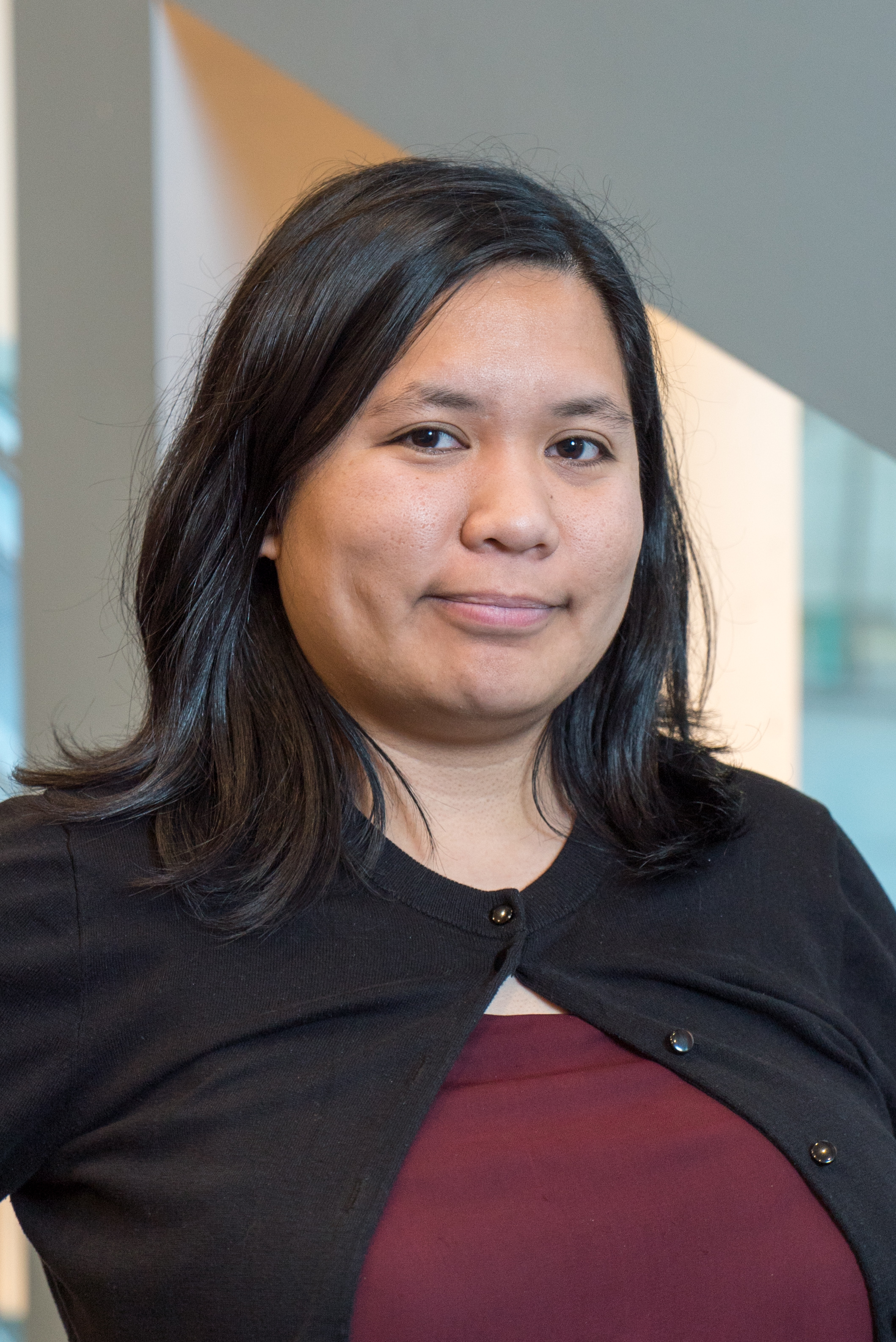
MEET GISELLE!

Women in Politics Headshots

The woman behind the FilipinaYEG blog!

“Our most significant life project is ourselves. We have to continue discovering what we are capable of, protecting what we value most, embracing who we are, and understanding what is happening around us.”

Canada has been my country since immigrating at 16, and Edmonton has been my home since 2008. The discoveries, current challenges and my future dreams inspired me to launch FilipinaYEG. My goal is that as I go through this journey called life, that in some way I get to inform, inspire and make an impact to those around me.

I hope that the blog gives you something to ponder, to share, to act on. While we are more than the sum of our parts, being a survivor, a woman, immigrant, orphan, millennial, and more, shapes my perspective. I know that many of you can relate to these viewpoints and can share wisdom and solidarity on similar experiences.

​Enjoy reading, learning and sharing!