Volunteering and Community Involvement Review: Philippine Heritage Month

June has been officially declared as Philippine Heritage Month, for Edmonton, the city I live in, the whole province of Alberta, and the country! Events have sprung up that celebrate Philippine culture, providing means to get people to gather together and have fun. Edmonton is known to be a festival city, so it is not surprising that there are different festivities and activities to choose from. Here’s a quick overview of the events I knew about.

Last June 1, there is an indoor parade at Kingsway Mall. The format of the event is very much like the “Flores de Mayo” celebrations in rural towns and villages in the Philippines. “Flores de Mayo” is festival held in the Philippines in the month of May. It is one of the May devotions to the Blessed Virgin Mary and lasts for the entire month, and such celebrations are not complete without a parade. For the one that took place here in Edmonton, everyone was invited to attend, wearing their most glamorous attire. After the parade, there was a program with various types of entertainment. According to the Facebook posts, it went well! I was so sad to miss it, and I hope to attend next year

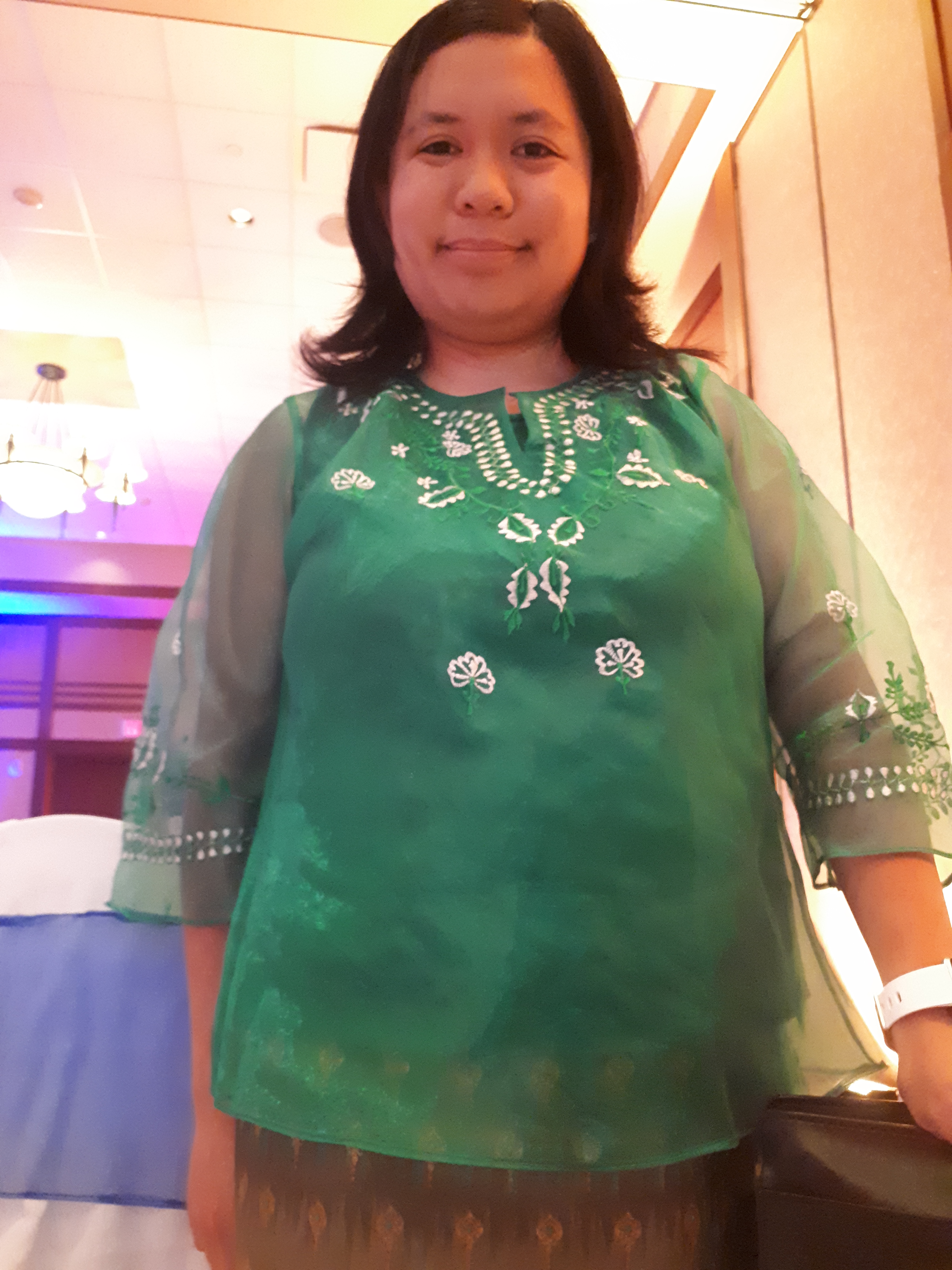
And then, on June 8, there was Philippine Independence Day Celebration gala at River Cree Casino. It was another excuse to look fancy in my traditional Filipiniana attire I purchased a few years ago. I went on behalf of the Alberta Filipino Journal as I am a regular writer for them, and managed to get to know people and mingle. All of these are complemented with a great dinner, amazing performances, and a dance floor where almost everyone participated afterwards.

I literally danced like no one’s watching, in my Filipinana attire and with no dancing partner, it was no big deal. It’s nice to meet more people involved in the community here in Edmonton, especially those who have been here for many years more than me. Stories from the past of previous events and how they have bloomed to what they are today, is incredible to listen to. One thing I realized is that there are many organizations and it’s valuable to keep track of who is a part of which, since there is overlap.
On June 19, at the University of Alberta Myer Horowitz theater, was the film screening of a Filipino American documentary called Ulam:Main Dish. On that day, I had to run back to the house when I realized my tickets were on my desk at home, instead of my bag! The Myer Horowitz Theater is a great venue. It was such a coincidence when I was in New York City a few weeks ago, the restaurant owner of Kabisera said she knows some of the other New York Filipino restaurant owners being featured in the documentary. I really appreciate the panel afterwards, hearing from different Filipino folks in the food industry.

And then on June 22 and 23, there was the weekend long Filipino Fiesta (festival). I’m only able to attend the first day, and made my day more productive by volunteering to make sure that the parade around the park goes smoothly. It was a good decision and I’m so glad I did it.

The performances ranges from different traditional dances, pop and rock bands, a full-hour Zumba session, and some storytelling from long-time organizations in Edmonton and Alberta. It’s incredible to learn about Filipinos who have been here for forty years or more. A well-known musician Yeng Constantino came from the Philippines and performed during the “TFC Hour”. Her songs were an iconic part of my teenage years just slightly more than ten years ago, and my voice was hoarse after fangirling the entire time.

One thing to remember moving forward, is that these gatherings and opportunities are not limited to the month of June. There are numerous groups in Edmonton, some have existed for decades, that serve as great opportunities to meet with like-minded people or maintain one’s interest in an aspect of the Filipino culture. There are arts oriented ones like the Saranay Association of Edmonton, ones based on alma mater affiliation like the University of the Philippines Alumni Association, activity based like the Martial Arts Society and the Pinoy Zumba group or even regional ones like the Batanguenos Association. I hope that all newcomers to the country, or whichever country they end up immigrating to, manage to find the means to stay connected and engaged to their heritage while making a home in this new place.

Love Language Reflections: On Food

By: Giselle General

The Generals, my father’s side, in my mind is the side of the family that rules when it comes to food.My father was responsible for that reputation. My limited childhood memories of him consists of him planning our meals and delegating our yaya (nanny) with specific instructions on what cut of meat, what vegetables to buy, as well as step-by-step cooking instructions. He would write them in neat block letters using the scrap paper he brought home from his office and hang it up on the fridge. On weekends whenever he has the time, he would make pancakes using a specific store-bought mix, but my young self watched in wonder as he would make sugar syrup from scratch. He would show me in the little pot the sugar and water combination while cautiously warning me that it is very, very hot. Now thinking about it, that makes sense since he works as the supervisor for the Safety Department in the mining town we lived in. It’s one of the small and loving memories of him that I’ll always cherish.

And then there’s his mother, my grandma, who also serves incredible food when we come to visit. My family lives almost an 8 hour ride from Metro Manila, where my father’s side lives. Whenever we visit for about a week and a half shortly after Christmas up to New Year’s Day, we get treated with grandma’s most popular and incredibly tasty foods. Almondigas (asian noodle soup with pork meatballs), embutido (steamed meatloaf rolled like logs), macaroni pasta, beef mushroom, carbonara and more. I learned that making party trays of these dishes is her main way of making a livelihood. If I remember correctly, for the payment she gets for the party tray, she is able to cook enough to fulfill the order and make extra for at least two meals for a fairly large family.

After my father, mother and sister passed away, my brother and I continued the tradition of this annual visit to Manila, and when we do arrive, we embrace the warm feelings from having these foods again. Grandma would always say whenever she serves a dish, something like “oh this one, your Papa loves it when I make this” or “I remember when you were kids, your Ate (big sister) keeps on saying this is her favourite.”

Now, I have been trying to replicate some of these recipes. Some more easy than others because the products that you buy here are a bit different. Instant Cream of Mushoom Soup is an example. In Canada you buy it in cans, while in the Philippines, it is in powder form. I messaged a cousin on Facebook for the recipe and made it one night when we hosted my partner’s family in our condo.

During our very recent trip to the Philippines in December 2018, as always my partner and I had to be deliberate on which restaurant we go to for meals, given his food allergies and sensitivities. A go-to place for us is this all-day breakfast place called Pancake House which we discovered and really enjoyed during our last visit in 2013 as well. This time around, we had a chance to go there with my uncle, the only living brother of my father. He said more than once that that restaurant is one of the two places grandma really likes to go.

My grandma passed away a few years ago, and I’m pleased to hear that my relatives try to make some of these dishes themselves. It becomes a positive point of conversation among them, and it is starting to be part of my life too despite living literally on the opposite side of the world. I guess it’s just fitting that during the upcoming long weekend I will try to make the Almondigas soup while it’s super cold as heck here in Edmonton. Memories, habits, personalities are transmitted and memorialized in food, a really meaningful and powerful love language.

The Privilege of Hot Water

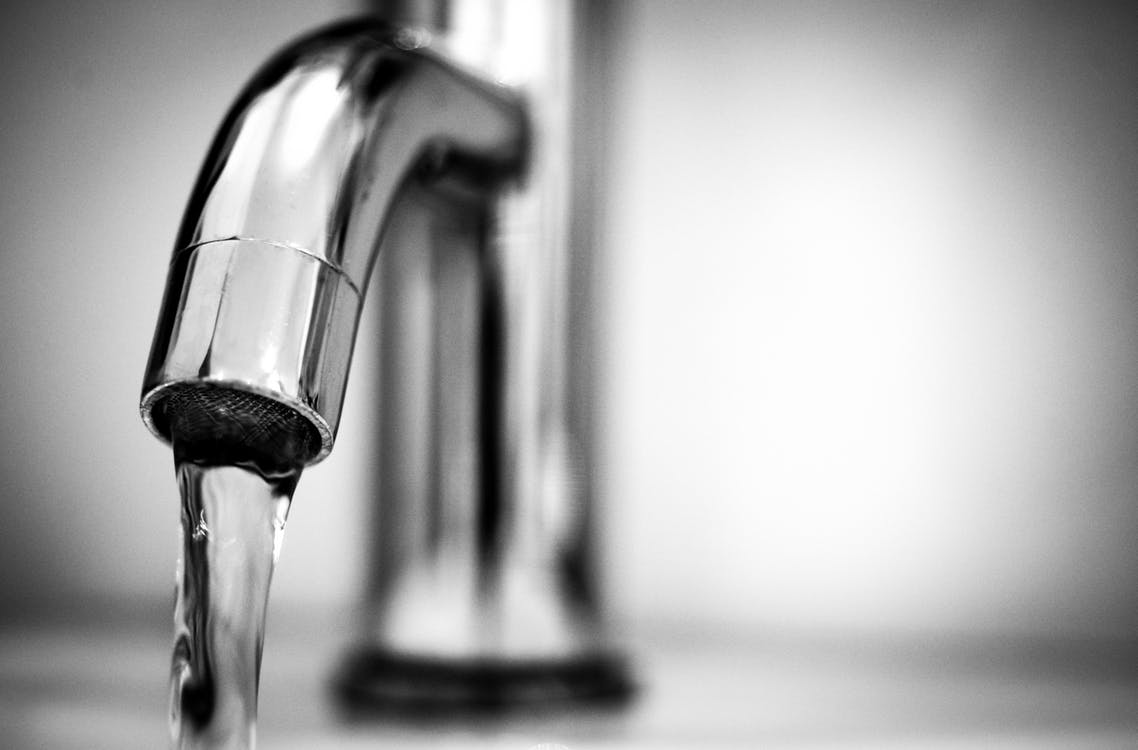
silver faucet with water flowing

By: Giselle General

Benguet Province, Baguio City, Cordillera Region. These places are associated with cold weather, and that temperature is reflected on the frigid water that comes out of the taps.

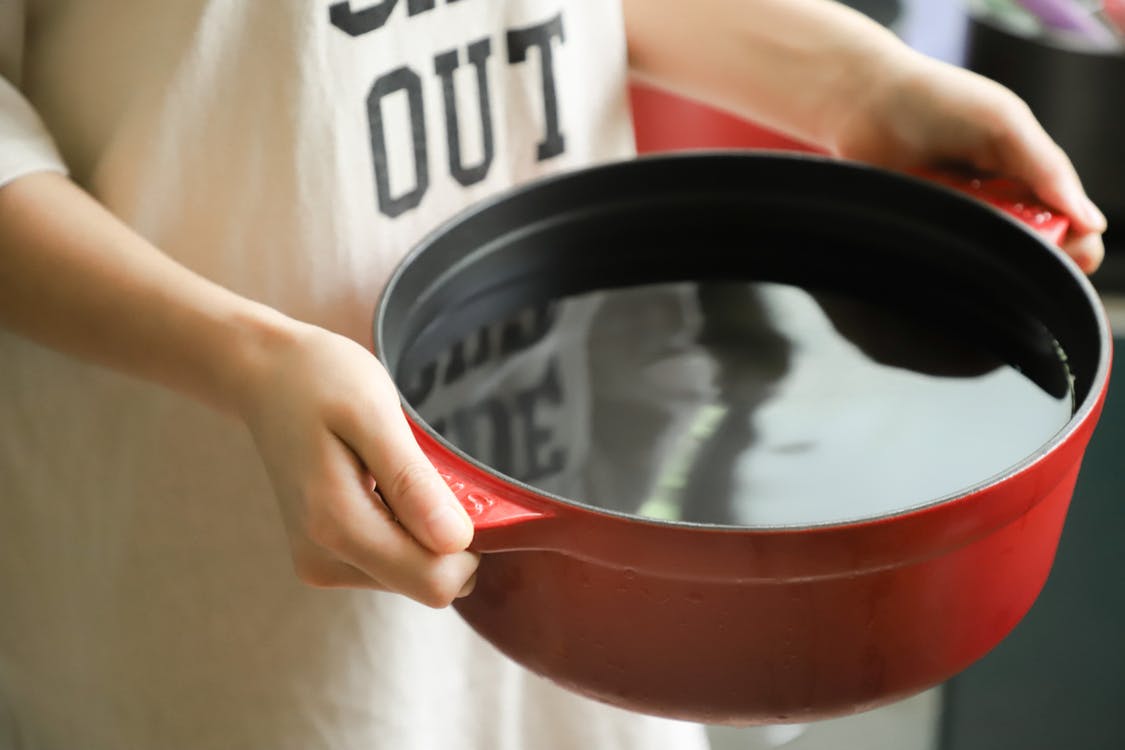
During our first planned vacation to the Philippines with my significant other back in 2013, he emphasized that we need to find a place with hot shower. I did tell him stories on how we make warm water for bathing by boiling water using a kettle or a large pot, then mixing that with the bucket in the bathroom that is half-full with cold water. He is not enthused by the idea.

During the second visit to the Philippines just recently, I was able to find more accommodations that boasted the availability of hot water as an amenity. In the bathrooms of these condos, there is an on-demand hot water contraption attached only to the shower plumbing, which means that water everywhere else such as the bathroom and kitchen sinks, still have the default water temperature.

bathroom showerhead with water tank and shampoo bottles

This made me admit that I have gotten too used to the luxury here in Canada, since I found the hot water in some of the accommodations unsatisfactory. It’s honestly very humbling.

Since the first 16 years of my life were spent in the Philippines, I have distinct memories of living without such easy access. And this is not just hot water, but consistently flowing water in general.

When I visited my cousin who is currently living in the home where I used to live in this small mining village, our chitchat was interrupted when she remembered that it is the scheduled hour for water access for all residents. Water is not available all the time, it becomes accessible for an hour at 5 AM, 11 AM and 5 PM. When these times arrive, that would be the main household chore that people have to focus on, simultaneously gathering water in storage containers and doing chores that take up a lot of water such as laundry. Ah, the memories.

kitchen sink and window in poor condition

There are still moments in the past years here in Edmonton, when I would be in the most random of places, like the washroom at the newly renovated third floor of City Centre Mall, of in the washroom of the South Campus LRT station that looks a bit worn down. As soon as I turn the tap or place my hands right where the senor is, water starts streaming down on my hands. At times, surprisingly warm that it can make me a cup of powdered Ovaltine or Milo or tea, if only I had the tools to make one right there.

Access to well-structured plumbing and sewage systems is still incredibly inconsistent in many parts of the world. The quality of plumbing fixtures even varies significantly depending on the location within a small area like a city. From a health standpoint, not just for humans but for the natural environment around where they live, this is really important. As I grow older and have more complicated views about life, I am starting to realize that these realizations will come even more often.

The last accommodations we had during our vacation would arguably be the worst in terms of water access. The water pressure is so weak, that the shower is practically a trickle of lukewarm water, and it took a few minutes to fill a cup of water from the tap on the sink. Maybe it was also the exhaustion from the trip overall, but it made us even more anxious to go home.

We arrived back in Edmonton at almost midnight and collapsed in our beds exhausted, we didn’t even have the energy to shower and clean off the gunk that we got from our long flight. The next morning, we took a shower as early as we could. I cooked breakfast and made coffee, being able to wash the greasy pan in warm water. As I was still adjusting to the fact that we returned to a place where winter is still happening, whenever I washed my hands in the washroom I would turn the hot water tap just a bit more, the flow of warmth providing comfort. I am home, and I know I’m freaking privileged.

Love Language Reflections: My Grandma

By: Giselle General

The first time I read articles about the concept of love language, it was framed in terms of romantic relationships. Giving gifts, quality time, loving words, helping gestures, and affection, are definitely key activities that help and sustain a relationship between lovers. That definitely made sense to me. And the fact that people have different preferences also made sense.

Recently, I have seen some articles that talk about differences in communication, affection and discipline when parenting children. The idea that “people function and react in a variety of ways” is something that I have been hearing about more and more. Perhaps then, for other types of relationships, there may be a variability in love language as well.

Unless someone makes a real effort to, one cannot give what they never received. One cannot give what they didn’t know they can have.

The recent trip to the Philippines to visit family made me think about these a little bit more, specifically my maternal grandma, who predominantly took care of my day-to-day needs after my brother and I lost our parents and sister.

I don’t dispute, nor do I undervalue, the gestures and sacrifices that she and all my relatives have done. Having to take care of two orphaned grandchildren while grieving for the death of your own child, son-in-law, and grandchild takes a lot of work, planning, troubleshooting and sacrifice.

She seemed to think that I didn’t appreciate what she had done, what she has given. Conversations during every visit has a similar pattern. After berating me with these accusations of ungratefulness, she will switch topics and talk about the land we inherited from her, such as how the taxes, land titles, and selling them. My stunted communications skills around her, because of the lack of warmth and trust between the two of us, make it hard for me to persuade her otherwise because I just shut down. As a frustrated teenager, there was a time when I did flip out my elders, calling them out for not being warm, affectionate, cuddly and motivating. I mean, young children do need those in order to grow healthy, strong and secure.

Given Grandma’s poverty-stricken background, survival and stability is most likely a key motivator all throughout her life. This I learned from the stories she would tell me as a kid, a personal and history-based version of bedtime stories that parents read to their kids. I know that as she became older and started her family and her businesses, she gifted all of her eight kids including my mother as well as her siblings, with land, and that is kind of a big deal. My mother and her siblings also received one business such as a store, and had their post-secondary education paid for. I imagine that it took a lot of hard work to earn the funds for and I appreciate that.

Her diatribes include snide remarks about how “hugs and kisses” are not essential, and would proudly claim that she never spanked us for discipline or abuse. From a history-based, trauma-informed approach that I have started to embrace, I realized that her love language is providing tangible items that provide both short-term and long-term benefit. Since her own father passed away when she and her siblings were young, and suffered hardship from bullying and poverty, her standard of treating family members is simply the opposite of what she has experienced and that’s it. Unless someone makes a real effort to, one cannot give what they never received. One cannot give what they didn’t know they can have.

With all of these in mind, I have made peace with the lack of affection that I received, and I feel empowered to seek that out for myself through other means. Perhaps in time, maybe I will learn how to display even some level of affection towards her, if only for a brief moment of time, before she changes the conversation into more business-like topics, like land and legal paperwork. These tangible items, which do cost a fair bit of money, are her love language, and will likely dictate the nature of our relationship for the rest of our lives.